
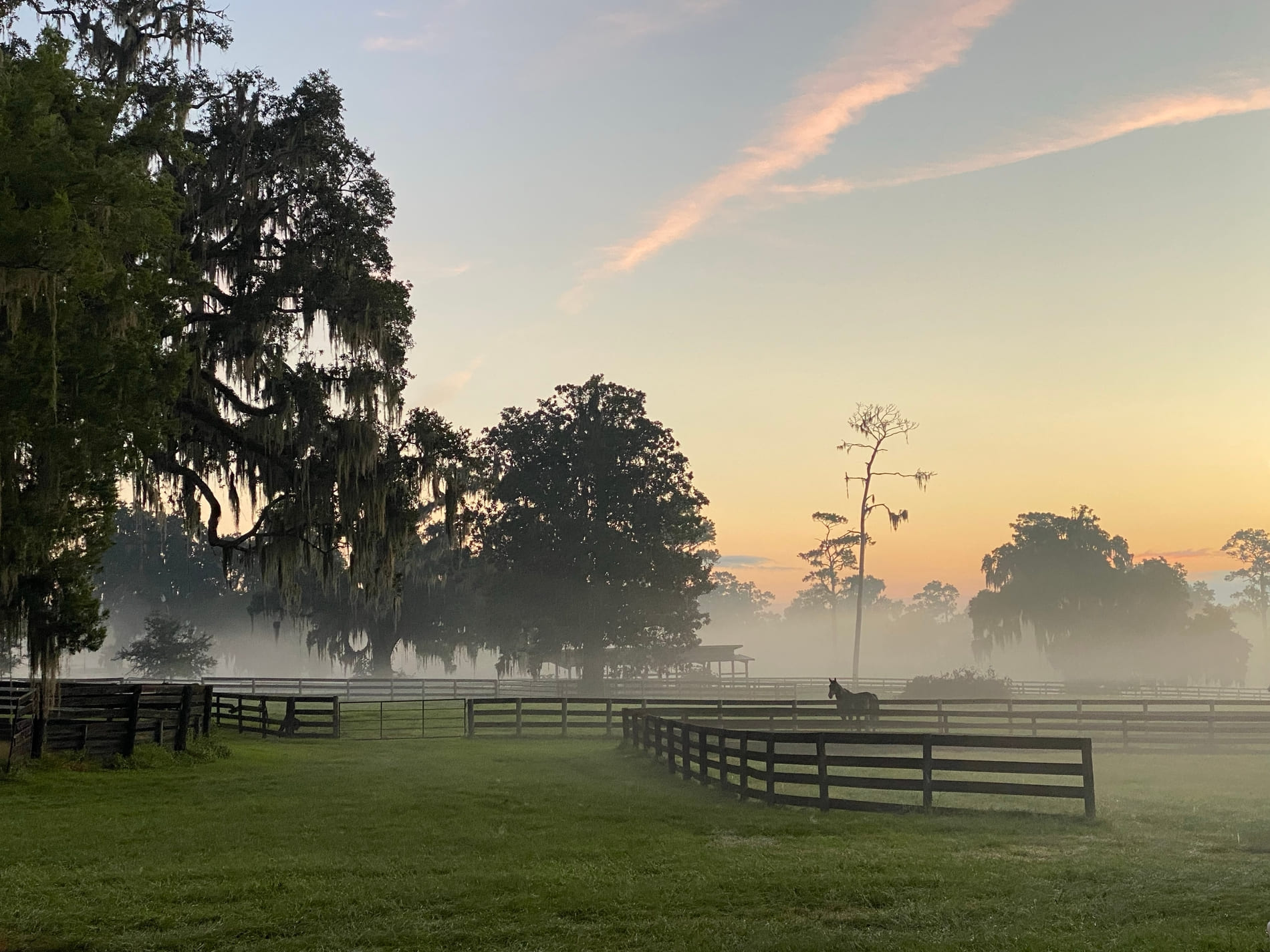
If you're relocating to Florida with horses or planning to start equestrian activities after moving, Martin County offers something many coastal areas can't deliver: genuine horse-friendly properties within a reasonable distance of beaches, boating, and urban conveniences. We work with buyers searching for equestrian land regularly, and the questions stay remarkably consistent: What acreage do I actually need? Which areas allow horses? What infrastructure matters most?
Let me walk you through what makes Martin County work for horse owners, which communities and areas provide the best equestrian opportunities, and what you need to know about zoning, costs, and practical considerations before buying property for horses.
Why Martin County for Equestrian Property
Martin County maintains a more rural character than neighboring Palm Beach or St. Lucie Counties, creating space for larger lots and agricultural zoning that supports horse ownership. You're not dealing with the ultra-dense development patterns common in South Florida's major metropolitan areas, instead, you find pockets of genuine acreage properties where keeping horses makes practical sense.
The climate allows year-round riding and outdoor horse keeping without the extreme weather challenges facing northern equestrians. You're not managing frozen water buckets, heating barns, or limiting turnout due to snow and ice. Summer brings heat and humidity, requiring shade and proper water management, but horses adapt well to Florida conditions with appropriate care.
The location provides access to veterinary services, feed stores, farriers, and other equestrian support infrastructure without requiring long drives to remote rural areas. You're typically 20-30 minutes from quality equine vets, tack shops, and feed suppliers while still maintaining enough land for proper horse keeping.
Property values in Martin County's equestrian areas run significantly lower than comparable acreage in Wellington or other established South Florida horse communities. You're getting more land for your investment while maintaining proximity to beaches and a coastal lifestyle that purely inland equestrian areas can't offer.
The community includes active horse owners across disciplines, pleasure riding, trail riding, some dressage and jumping, and general horse keeping for lifestyle rather than competition. You won't find the intensive training facilities or competition venues common in Wellington, but you'll meet neighbors who share your interest in horses without the pressure or expense of serious show circuits.
Understanding Equestrian Zoning in Martin County
Martin County uses agricultural zoning designations that permit horse ownership, but the specific requirements vary by zoning classification and lot size. The most common equestrian-friendly zoning includes Agricultural (A), Agricultural Residential (AR), and certain Estate Residential (ER) classifications.
Agricultural zoning typically allows one horse per acre as a baseline, though some classifications permit higher densities with proper facilities. A five-acre agricultural property could legally support five horses, though practical considerations around pasture management, manure disposal, and barn placement often suggest keeping fewer animals than the maximum allowed.
Agricultural Residential zoning blends residential development with agricultural uses, permitting horses on properties meeting minimum acreage requirements. These areas often include a mix of horse owners and non-horse owners, creating more suburban character than pure agricultural districts while still supporting equestrian activities.
Minimum lot sizes for horse ownership vary by specific zoning classification. Some areas require a minimum of two-acre lots for any equestrian use, while others permit horses on smaller parcels with proper setbacks and facilities. We verify zoning requirements for specific properties before clients make offers to ensure horse-keeping legality.
Setback requirements affect where you can place barns, shelters, and pasture fencing relative to property lines and neighboring homes. Martin County typically requires 50-100 foot setbacks for barns and shelters from property boundaries, though distances vary by zoning. These setbacks protect neighbors from noise, odors, and visual impacts while giving you adequate space for proper facility placement.
Manure management regulations require proper disposal methods, preventing runoff into waterways or creating nuisance conditions. Most equestrian properties need designated manure storage areas with appropriate drainage and regular removal arrangements. Commercial manure hauling services operate throughout Martin County, though costs and pickup frequency vary.
Well and septic requirements apply to most rural equestrian properties. You'll need adequate well capacity for household use plus horse watering, figure 10-15 gallons per horse daily minimum, more during hot weather. Septic systems must be sized appropriately and positioned to avoid contamination from horse facilities and pastures.
Best Areas for Equestrian Properties
Western Martin County
The western portions of Martin County, particularly areas west of the Turnpike, provide the largest concentration of equestrian properties and horse-friendly zoning. You're looking at genuinely rural character with larger lot sizes, agricultural operations, and established horse-keeping infrastructure.
Properties here typically range from $400,000 for five acres with older homes or mobile homes to $2 million+ for ten-plus acres with custom homes and quality equestrian facilities. The pricing reflects distance from beaches and urban amenities; you're trading coastal proximity for space and agricultural character.
The area includes a mix of small horse farms, cattle operations, citrus groves, and rural residential properties. Your neighbors likely keep horses, farm equipment, or other agricultural uses, creating a genuine country atmosphere rather than suburban development with horses squeezed onto minimum lots.
Access to riding trails remains limited compared to dedicated equestrian communities, but the quiet roads and rural setting allow roadside riding in many areas. Some properties include enough acreage for on-site trail development, and neighboring horse owners sometimes arrange shared trail access across multiple properties.
Search Martin County Real Estate Listings

Palm City Equestrian Areas
Palm City includes pockets of equestrian zoning, particularly in the western sections away from the main residential developments. These areas provide horse ownership closer to shopping, restaurants, and suburban conveniences while maintaining enough space for proper facilities.
Properties in Palm City's equestrian areas typically range from $600,000 to $1.5 million for two to five acres, with homes designed around horse keeping. You're paying premiums for the Palm City location and proximity to amenities compared to more remote western areas.
The community here skews more toward lifestyle horse owners keeping one to three horses for pleasure riding rather than serious training or breeding operations. The suburban proximity means more awareness of noise, aesthetics, and neighbor relations compared to purely rural settings.
Search the Newest Palm City Real Estate Listings
Tropical Farms and Surrounding Areas
Tropical Farms represents one of Martin County's established equestrian-focused communities, featuring larger lots zoned for horses with existing infrastructure supporting equestrian activities. The area attracts serious horse owners who want community with other equestrians while maintaining rural character.
Home prices in Tropical Farms and similar established equestrian areas typically range from $500,000 to $1.2 million for properties with barns, riding arenas, and proper fencing already in place. Buying into established equestrian communities means paying for existing infrastructure but avoiding the time and expense of building from scratch.
The neighborhood culture revolves around horses, with residents understanding the realities of early morning feeding schedules, occasional loose horses, and the sights and sounds of equestrian life. This creates fewer conflicts than moving horses into areas where neighbors expect a purely residential character.
No listings were found matching your search criteria.Search the Newest Tropical Farms Real Estate Listings
Hobe Sound Rural Areas
The northern sections of Martin County near Hobe Sound include agricultural zoning and larger properties suitable for equestrian use. These areas provide a more remote, genuinely rural character with significant distance from urban development.
Properties here can range from $350,000 for raw land or properties with minimal improvements to over $1 million for developed equestrian facilities on substantial acreage. The pricing reflects the rural location and limited nearby services compared to more central Martin County areas.
The remoteness creates both advantages and challenges. You get privacy, space, and minimal neighbor conflicts, but you're driving 30-45 minutes for most services, shopping, and activities. This works well for buyers prioritizing horse facilities and rural lifestyle over convenience and urban access.
Search the Newest Hobe Sound Real Estate Listings
What You Need: Acreage and Facilities
Minimum Acreage Considerations
The legal minimum and practical minimum for horse ownership differ significantly. While zoning might permit horses on two acres, successfully keeping horses long-term requires adequate space for pasture rotation, facility placement, and manure management.
Two acres works for one to two horses if you're providing substantial supplemental feeding and managing pastures carefully to prevent overgrazing. You'll need sacrifice areas for wet seasons when horses can't be on grass, adequate space for a run-in shelter or small barn, and room for manure storage away from living areas.
Three to five acres provides comfortable space for two to four horses with proper pasture management. You can rotate grazing areas, maintain dedicated dry lots for weather management, and place facilities with appropriate setbacks from property lines and your home.
Five to ten acres supports small breeding operations, multiple horses, or serious training facilities, including riding arenas and specialized equipment. This acreage range allows self-sufficiency in hay production on some properties, though most owners continue buying hay due to Florida's climate challenges for quality hay growing.
Ten-plus acres opens opportunities for extensive trail systems on your property, larger boarding operations if zoning permits, or combining horses with other agricultural activities. The additional space provides flexibility for future expansion and reduces concerns about overgrazing or land degradation.
Pasture and Fencing Requirements
Florida's climate creates year-round grazing but also challenges with parasites, toxic plants, and pasture management during rainy seasons. Bahia grass dominates most Martin County horse pastures, it tolerates heat, handles moderate grazing pressure, and requires less intensive management than premium pasture grasses.
Proper drainage becomes critical in Florida's wet climate. Pastures that hold standing water create hoof problems, parasite breeding grounds, and limit grazing availability. Properties with natural elevation changes and sandy soils drain better than flat lots with heavy clay, though drainage improvements can address some issues.
Fencing costs represent a major expense when developing equestrian properties. Standard four-board wooden fencing runs $8-$12 per linear foot installed, while coated wire or flexible fencing systems cost $4-$8 per foot. A five-acre property might require 1,800-2,000 linear feet of perimeter fencing, generating $7,200-$24,000 in fencing costs before any internal pasture divisions.
Fence height for horses should reach at least 4.5-5 feet to prevent jumping or reaching over, with sturdy construction that withstands leaning, rubbing, and occasional impact. Board fencing provides classic aesthetics but requires regular maintenance and painting, while coated wire systems need less upkeep but offer a different visual appeal.
Gate placement affects daily efficiency and emergency access. You need gates wide enough for tractors, hay deliveries, and emergency vehicles, typically 12-16 feet minimum for primary access. Interior pasture gates can be narrower but should still accommodate equipment for drag harrowing and maintenance.
Barn and Shelter Needs
Florida's climate allows simpler shelter requirements than northern states, horses don't need fully enclosed, heated barns for survival. Run-in shelters providing shade, rain protection, and wind breaks suffice for basic horse keeping in most situations.
A basic three-sided run-in shelter for two horses costs $3,000-$8,000, depending on size and construction quality. Permanent barn structures with stalls, tack rooms, and feed storage run $15,000-$50,000+ based on size, materials, and finish level. Many buyers purchase properties with existing barns, avoiding these construction costs.
Stall size should provide adequate space for horses to turn around and lie down comfortably, 12x12 feet minimum for average horses, 14x14 or larger for bigger breeds. Stall flooring options include dirt, clay, concrete with mats, or specialized equestrian flooring systems, each with cost and maintenance tradeoffs.
Tack and feed storage needs protection from Florida's humidity and pests. Enclosed tack rooms with dehumidifiers preserve leather goods, while feed storage requires rodent-proof containers and protection from moisture that causes mold and spoilage.
Wash racks, grooming areas, and covered spaces for daily horse care improve functionality and protect equipment from the weather. These additions cost $2,000-$10,000, depending on complexity but significantly enhance property usability for serious horse owners.
Water and Utilities
Adequate water supply represents a critical need that buyers sometimes overlook. Horses drink 10-15 gallons daily under normal conditions, more during hot weather or with lactating mares. Automatic waterers reduce labor but require reliable water pressure and freeze protection (less critical in Florida than in northern climates).
Well capacity must support household needs plus equestrian use. A well producing 5-10 gallons per minute handles most small horse operations, though larger facilities or properties with irrigation needs require higher capacity. We recommend well flow testing before purchasing properties where equestrian use will stress water systems.
Electricity to barns and pastures supports lighting, fans, water heaters, and equipment. Running power to remote barn locations costs $3,000-$15,000, depending on distance from existing service and local utility requirements. Many buyers prioritize properties with power already extended to barn areas.
Costs Beyond Purchase Price
Initial Setup Expenses
Buyers purchasing raw land or properties without equestrian infrastructure face substantial development costs. Clearing and grading for pastures runs $1,500-$5,000 per acre, depending on existing vegetation and desired finish. Fencing costs were discussed earlier but represent the single largest initial expense for most properties.
Barn or shelter construction, water system development, and electrical installation can easily total $30,000-$100,000 for a modest two to four-horse setup. These costs should factor into your total budget when evaluating properties, a $500,000 property requiring $75,000 in improvement costs more than a $575,000 turnkey facility.
Soil testing and pasture establishment involve additional costs. Lime, fertilizer, and seed for pasture development run $500-$1,500 per acre. Most Florida soils benefit from regular liming to manage pH, and new pastures need 6-12 months of establishment before supporting full grazing.
Ongoing Operating Costs
Monthly operating expenses for two horses in Martin County typically run $600-$1,200, depending on your management approach and horse needs. Hay costs represent the largest ongoing expense, figure $150-$300 monthly per horse for quality hay in Florida, with prices fluctuating based on local supply and seasonal factors.
Grain and supplements add another $50-$150 monthly per horse, depending on activity level, age, and individual requirements. Horses in light work on good pasture need less supplemental feeding than performance horses or those on limited grazing.
Farrier services every 6-8 weeks cost $50-$150 per horse, depending on whether you're doing basic trims or specialized shoeing. Annual veterinary costs, including routine exams, vaccinations, dental work, and deworming, run $400-$800 per horse minimum, more if addressing health issues or injuries.
Property maintenance includes pasture dragging, manure removal, fence repairs, and facility upkeep. Budget $200-$500 monthly for these ongoing needs, more if you're hiring all labor rather than doing work yourself. Manure removal services charge $75-$200 monthly, depending on the number of horses and pickup frequency.
Insurance for horses themselves runs $200-$500 annually per horse for basic mortality coverage, with higher premiums for expensive horses or comprehensive policies including medical coverage. Property insurance on equestrian facilities costs more than standard homeowners coverage due to barn and liability risks.
Hidden Costs and Planning
Veterinary emergencies represent the largest unpredictable expense in horse ownership. Colic surgery can cost $8,000-$12,000, serious injuries requiring extended treatment run several thousand dollars, and chronic conditions need ongoing management. Maintaining emergency reserves of $5,000-$10,000 per horse provides peace of mind.
Equipment purchases add up quickly, tractors for pasture maintenance ($8,000-$25,000 for suitable used equipment), mowers, drag harrows, wheelbarrows, grooming supplies, and countless smaller items. Budget $5,000-$15,000 for basic equipment when starting from scratch.
Time investment deserves consideration alongside financial costs. Horses require daily care, feeding, watering, stall cleaning, health monitoring, that can't be skipped for vacations or busy work schedules. Factor in 1-2 hours daily minimum for basic care of two horses, more for larger operations or intensive training programs.
Finding Qualified Support Services
Veterinary Care
Martin County provides several experienced equine veterinarians offering both routine care and emergency services. Most practices operate within 20-30 minute response times for emergencies, critical for conditions like colic requiring immediate intervention.
Annual wellness exams, vaccination protocols, and preventive care cost $300-$500 per horse through local equine practices. Emergency calls after hours or on weekends carry a premium pricing of $150-$300 just for the farm call before addressing actual medical issues.
Specialized services like reproduction, advanced lameness diagnostics, or surgical procedures might require referrals to facilities in Wellington or other areas with more extensive equine hospitals. The 60-90 minute drive to these facilities should factor into your planning for serious health issues.
Farriers and Hoof Care
Quality farriers stay busy in Martin County's equestrian areas, often booking 6-8 weeks out for routine work. Establishing relationships with reliable farriers before moving horses ensures you're not scrambling for hoof care when your horses arrive.
Basic trims for barefoot horses run $50-$75 per visit, while shoeing costs $100-$150, depending on shoe type and any corrective work needed. Specialized therapeutic shoeing for lameness or hoof problems can cost significantly more.
Feed Stores and Suppliers
Several feed stores serve Martin County's equestrian community, offering hay, grain, supplements, and basic supplies. Prices run slightly higher than areas with more agricultural concentration, but the convenience of local supply outweighs small cost differences for most owners.
Hay quality and availability fluctuate seasonally. Florida's climate challenges local hay production, so much hay arrives from out of state, with prices varying based on transportation costs and regional supply. Expect to pay $8-$15 per bale for quality grass hay, more for alfalfa or specialty products.
Some horse owners arrange bulk hay delivery directly from farms in central Florida or Georgia, securing better pricing through volume purchases and direct relationships. This requires adequate covered storage and the ability to handle semi-truck deliveries.
Making the Right Property Choice
Choosing equestrian property requires balancing horse needs, lifestyle priorities, and financial realities. A perfect horse setup on a remote ten-acre property might not work if you value beach access and urban conveniences, while a minimal two-acre lot near Palm City might frustrate serious training goals.
The most successful equestrian property purchases come from buyers who honestly assess their actual horse activities rather than idealized visions. If you ride occasionally for pleasure, elaborate training facilities and extensive acreage might be overkill. If you're running a small breeding operation or training business, skimping on space and facilities creates constant challenges.
We help buyers evaluate properties based on their genuine plans, zoning compliance, infrastructure needs, and long-term goals. The initial property search typically involves touring multiple equestrian areas, assessing existing facilities, and discussing realistic development costs for properties needing improvements.
Frequently Asked Questions
How much land do I need for two horses in Martin County?
Martin County zoning typically allows one horse per acre in agricultural areas, meaning two acres meets legal minimums for two horses. However, three to five acres provides more practical space for proper pasture management, facility placement, and avoiding overgrazing. Two acres works with careful management and supplemental feeding, but additional space reduces stress on pastures and gives flexibility for rotational grazing, sacrifice areas during wet weather, and future expansion.
What does it cost to set up a basic two-horse facility?
Initial setup costs for two horses on raw land typically run $30,000-$75,000, including fencing (perimeter and pasture divisions), basic shelter or small barn, water system development, and pasture establishment. Fencing represents the largest single expense at $7,000-$20,000, depending on materials and property size. Add another $10,000-$30,000 if you need electrical service to barn areas or significant land clearing. Buying property with existing equestrian infrastructure avoids these development costs but commands higher purchase prices.
Are there established equestrian communities in Martin County?
Martin County includes several areas with concentrated equestrian activity, including Tropical Farms and western rural areas with agricultural zoning. These aren't gated equestrian communities like Wellington but rather neighborhoods where horse ownership is common, and infrastructure supports equestrian activities. The advantage is community with other horse owners who understand early morning routines and occasional loose horses, while avoiding the premium pricing and restrictive covenants of formal equestrian developments.
What are the monthly costs for keeping two horses?
Monthly operating costs for two horses typically run $600-$1,200 including hay ($300-$600 total), grain and supplements ($100-$300), routine farrier work (averaged monthly at $100-$250), utilities and property maintenance ($150-$300), and manure removal ($75-$200). This excludes veterinary care beyond routine wellness, which averages $400-$800 annually per horse, emergency medical expenses, equipment purchases, or property improvements. Self-performing more maintenance and care work reduces costs, while hiring all services pushes expenses toward the higher end.
Can I board horses at my property to offset costs?
Zoning regulations vary by property location, with some areas permitting commercial boarding operations and others limiting horses to personal use only. Properties zoned for commercial equestrian use can potentially generate income through boarding, training, or lessons, though liability insurance, facility requirements, and business licensing add complexity and costs. We verify commercial use permissions before clients purchase if income generation matters to their planning. Even where permitted, successful boarding requires quality facilities, convenient location, and a significant time investment.
What should I look for when touring equestrian properties?
Evaluate existing facilities for quality and condition, barns, fencing, and shelters requiring immediate repairs reduce property value. Check pasture drainage and fencing condition, as these represent major replacement costs. Verify well capacity and water quality for both household and horse use. Assess property access for hay delivery trucks and emergency vehicles. Review zoning verification to confirm horse-keeping legality and any restrictions on number of animals or commercial use. Consider distance to veterinary services, feed stores, and riding areas beyond your property.
How does Florida's climate affect horse keeping compared to northern states?
Florida eliminates winter challenges like frozen water, heating barns, or limiting turnout due to snow and ice. Horses can live outdoors year-round with appropriate shelter from sun, rain, and insects. However, heat and humidity require shade, adequate water, and management during summer months when temperatures exceed comfort levels. Parasite pressure runs higher year-round compared to northern climates where freezing kills some parasites. Pasture grows year-round but requires different grass varieties than northern climates, and hay quality from Florida sources can be inconsistent, with many owners importing hay from other states.
Posted by Zach Greenberg on
Enjoy this blog post? Click here to subscribe for updates
Leave A Comment