
 (1).42.jpg)
Stuart calls itself the Sailfish Capital of the World, and the waterfront real estate market here reflects that boating-first identity in ways most online listings do not capture. Three different water bodies converge in Stuart, the St. Lucie River system, the Indian River Lagoon (the Intracoastal Waterway), and the Atlantic Ocean via the St. Lucie Inlet, and the kind of boat you own, where you keep it, and what bridges you can clear all change which neighborhoods make sense for you. Stuart is the county seat of Martin County, and the waterfront market here behaves differently than anywhere else in the county.
This guide covers what buyers actually need to know before writing an offer on a Stuart waterfront home. We work this market every week and the same questions come up over and over, so we put the real answers in one place.
See The Newest Stuart, Florida Waterfront Homes
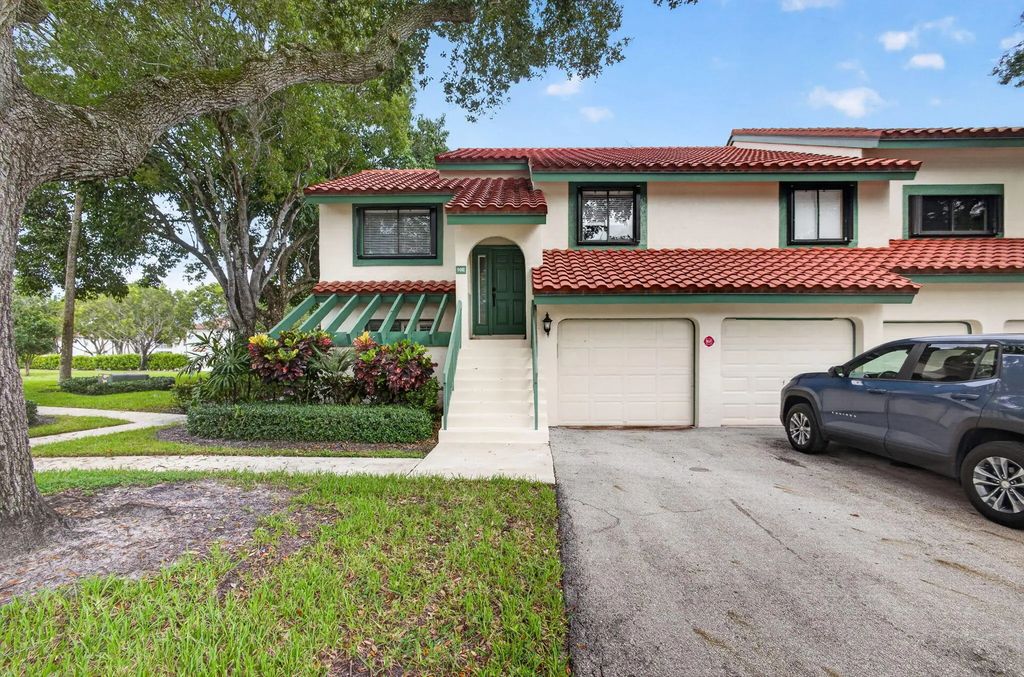

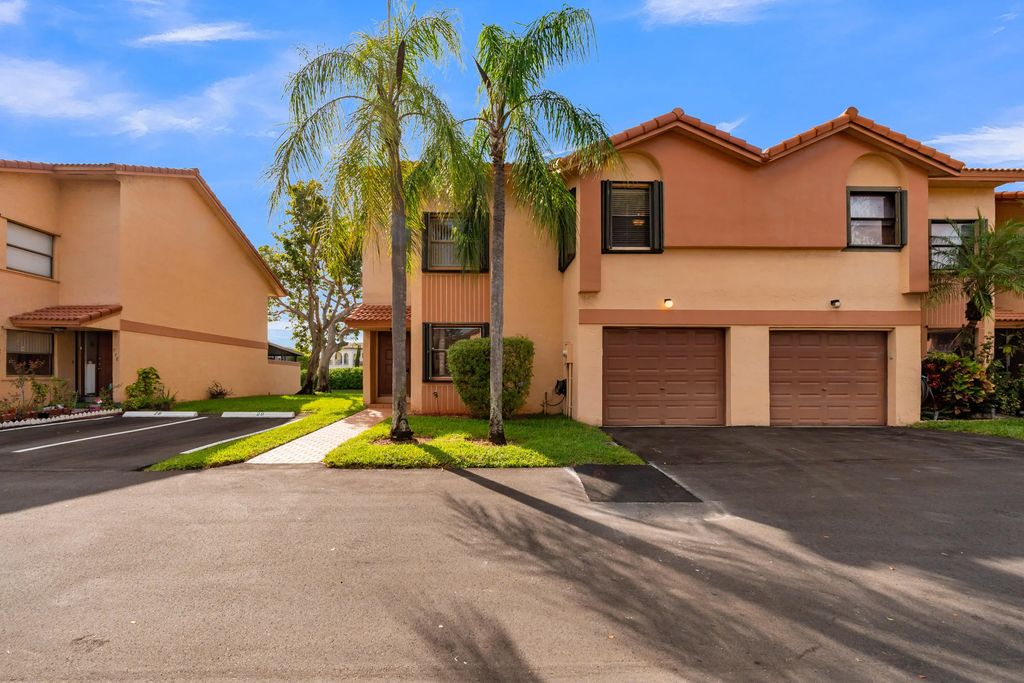
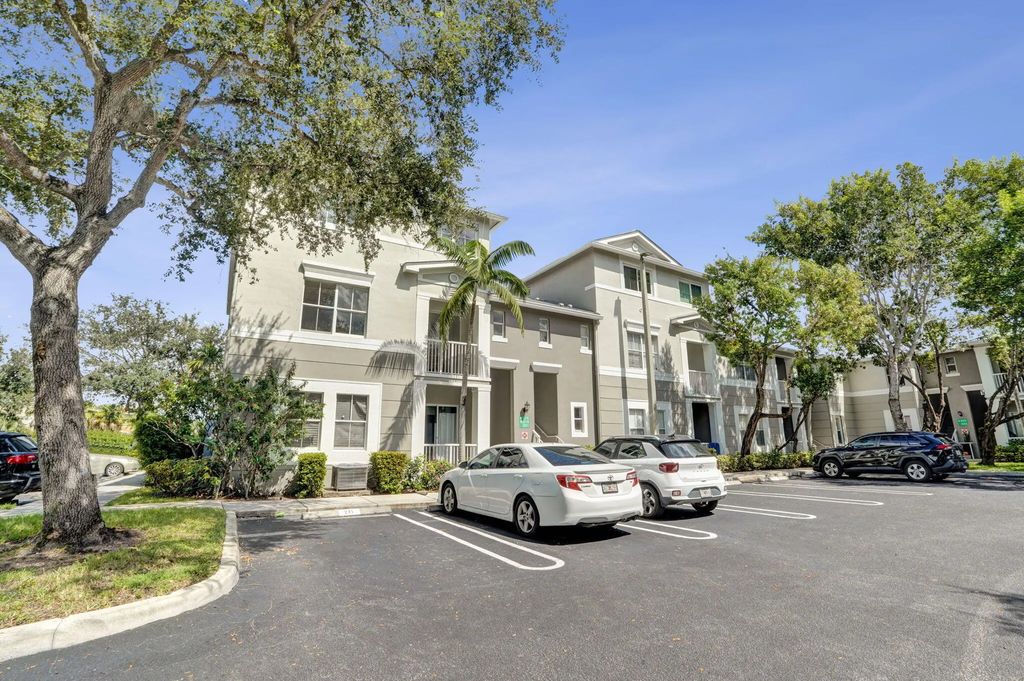
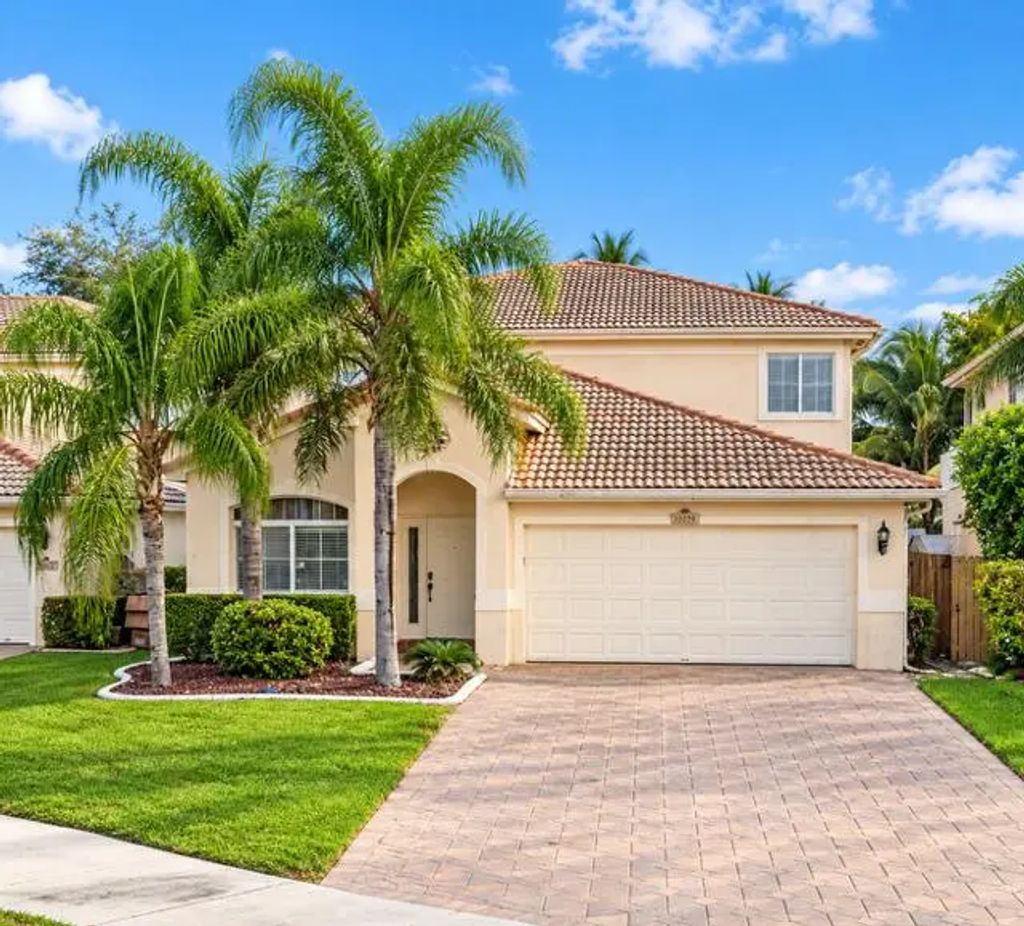
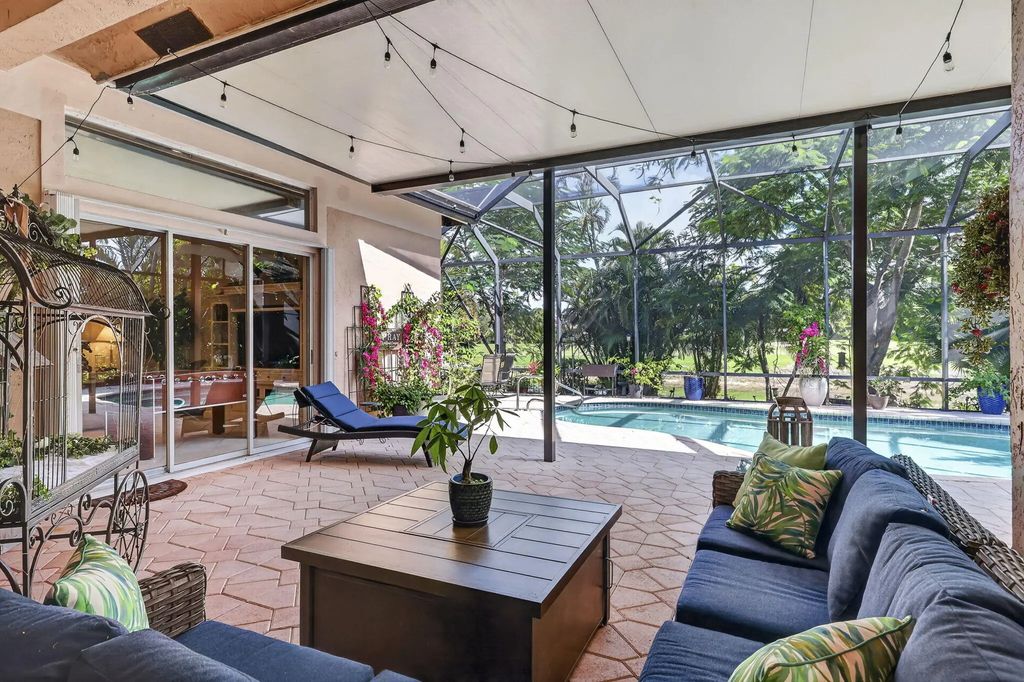
The Three Stuart Waterfronts You Are Actually Choosing Between
Stuart waterfront breaks into three categories that look similar in listing photos and behave completely differently in practice.
St. Lucie River frontage runs through downtown Stuart and wraps north and south into Palm City, Rio, and Port Salerno. The river splits into the North Fork (deeper, generally cleaner water) and the South Fork (shallower in places, more variable). River frontage offers calmer water than the Intracoastal but adds a navigation step to reach the ocean. Our complete Martin County waterfront guide covers the broader county picture; this article zooms in on Stuart specifically.
Indian River Lagoon frontage sits east of Sewall's Point and Jensen Beach along the Intracoastal Waterway. Wider water, faster boat traffic, more wind exposure, but a more direct shot to the St. Lucie Inlet for ocean runs.
Hutchinson Island and Sailfish Point sit between the Indian River and the Atlantic. These are the only true ocean-access addresses in the immediate Stuart area, and Sailfish Point in particular operates as a private community with its own marina and private inlet access.
The right one depends on what you actually do on the water, not which photographs better.
Bridge Heights: The Number That Disqualifies Half the Inventory
This is the single most important spec most buyers never check before falling in love with a home.
The Roosevelt Bridge (US-1 over the St. Lucie River) has 65 feet of fixed vertical clearance at mean high water. The Old Roosevelt Bridge (Indian Street, replacing the prior bascule) is a fixed span and limits passage above its clearance. The Stuart Causeway connecting to Hutchinson Island has its own restrictions. Smaller bridges over canals throughout neighborhoods can drop clearance to 10 feet or less.
If you own a sport fisherman or a sailboat with a tall mast, the bridges between your dock and the inlet determine whether the home works for you. We have walked away from beautiful homes with buyers because the boat would not physically fit under the route to open water. Always map the bridge clearances on the exact path from the proposed dock to the inlet before you commit.
Dock Depth Is the Question Most Buyers Forget to Ask
Listing photos show docks. They do not show what is under them at low tide.
Stuart has shallow areas, especially in the South Fork of the St. Lucie, parts of the Indian River south of the causeway, and many of the canal systems. A dock with two feet of water at low tide will not hold a 30-foot center console, and dredging permits in Martin County have become slower and more restrictive over the past decade.
Before any waterfront offer, ask the listing agent for:
-
Current depth soundings at the dock at mean low water
-
Whether the dock has a current permit on file with Martin County
-
Any history of dredging, and whether dredging is currently permitted in that location
A home with a permitted, properly maintained 5-foot depth at the dock is worth substantially more than an identical home where the dock dries out at low tide. The market does not always price this in correctly, which creates opportunities for buyers who know to look.
Stuart Waterfront Neighborhoods at a Glance
$ to $$ to $$$ to $$
|
Neighborhood |
Water Body |
Typical Bridge Clearance to Inlet |
General Price Band |
Best For |
|
Sewall's Point |
Indian River Lagoon |
No fixed bridges to inlet |
$$$$ |
Sport fishing, sailboats with tall masts |
|
Sailfish Point |
Atlantic Ocean / private inlet |
Private inlet access |
Direct ocean access, large vessels |
|
|
Rocky Point |
St. Lucie River (south of Roosevelt) |
Below 65 ft |
$$$ |
Sport fishing, center consoles |
|
Snug Harbor |
St. Lucie River |
Below 65 ft |
$$$ |
Mid-size powerboats |
|
Krueger Creek |
St. Lucie / canal system |
Variable, check by canal |
Smaller vessels, kayaks |
|
|
North River Shores |
North Fork St. Lucie |
Below 65 ft |
$$$ |
Deeper river water |
|
Manatee Pocket |
Off Indian River, near inlet |
Direct, minimal bridges |
Closest practical inlet access |
|
|
Hutchinson Island (mainland side) |
Indian River Lagoon |
No fixed bridges |
Beach and Intracoastal combo |
|
Sailfish Point sits in a category of its own, with a private inlet, golf, and security gate. Pricing reflects that.
The Manatee Pocket: Stuart's Most Underrated Waterfront
The Manatee Pocket sits off the Indian River near the St. Lucie Inlet, in Port Salerno just south of Stuart proper. It is technically not Stuart, but most boating buyers consider it the same market.
The Pocket has the shortest practical run to the inlet of any waterfront in the Stuart area, which is why so many fishing charters and marinas cluster there. Homes on the Pocket trade at a premium because of this access, and the neighborhood maintains an authentic Old Florida fishing village character that most of the coast has lost. If you fish more days than you do anything else on the water, the Pocket deserves a serious look.
What "Direct Ocean Access" Actually Means in Stuart
The phrase appears in countless listing descriptions and means different things in different contexts.
True direct access means no fixed bridges between your dock and the Atlantic. Sewall's Point homes on the Intracoastal side, Hutchinson Island Intracoastal frontage, the Manatee Pocket, and Sailfish Point all qualify.
Practical access with bridge constraints describes most St. Lucie River homes. The Roosevelt Bridge at 65 feet handles most powerboats, but tall sailboats and large flybridge sportfishers may not clear.
Canal access requiring multiple bridges describes some neighborhood canal systems where you may pass under three or four low bridges to reach the river, then face the Roosevelt Bridge before reaching the inlet.
The St. Lucie Inlet itself is also a real consideration. It shoals and shifts, and rough days at the inlet are common. Local captains know which tide windows work and which do not. Boats that are too small or too underpowered for ocean conditions are kept in protected water by their owners regardless of how the marketing copy reads. Buyers comparing Stuart inlet access to Jupiter or Hobe Sound markets to the south should know that each inlet has its own character, and Stuart's tends to be the most variable of the three.
Flood Zones and Insurance for Stuart Waterfront
Most Stuart waterfront sits in FEMA flood zones AE, VE, or X depending on elevation and exposure. VE zones (coastal high-hazard areas with wave action) carry the highest flood insurance costs. AE zones are the standard floodplain. X zones are technically outside the special flood hazard area but lenders may still require coverage.
Wind insurance is a separate consideration from flood. Homes east of US-1 generally face higher wind premiums, with the highest costs typically falling on barrier island homes and homes built before the post-Andrew building code. A 1980s waterfront home and a 2018 waterfront home with the same view will have dramatically different annual insurance costs, sometimes by a factor of two or three.
Get insurance quotes during the inspection period, not after. Sticker shock at this stage causes more deal cancellations on Stuart waterfront than anything else.
HOA vs No-HOA Waterfront in Stuart
Stuart waterfront splits roughly evenly between HOA and non-HOA neighborhoods, and the difference matters more than buyers usually expect.
Non-HOA neighborhoods like much of Rocky Point and parts of North River Shores let you build the dock you want (within Martin County and state permits), keep the boats you want, and modify the house without architectural review. Tradeoff is no community pool, no shared amenities, and no rules preventing the neighbor from doing the same thing.
HOA waterfront communities, including parts of Sewall's Point's gated sections and Sailfish Point, enforce setbacks, dock specs, vessel size limits, and architectural standards. The amenities are higher and the resale is often more stable, but the constraints are real. Always read the full HOA package, including current reserve study and any recent special assessments, before going firm.
What Most Stuart Waterfront Buyers Miss
Three things consistently surprise out-of-state buyers, and getting ahead of them saves real money. Many Stuart waterfront buyers are also purchasing as a second home or seasonal residence, which adds another layer of tax considerations specific to Florida second-home buyers worth understanding before going firm.
First, the seawall question. Many Stuart waterfront homes have aging seawalls that need replacement or significant repair within the next decade. Seawall replacement runs $1,500 to $3,000 per linear foot. A 100-foot frontage with a 20-year-old seawall is a $200,000+ liability the listing photos will not show.
Second, the dock specs question. Existing docks that predate current permit standards are often grandfathered, but replacement requires meeting current rules, which can be more restrictive on size, configuration, or location than the existing dock. A buyer planning to rebuild a dock to fit a larger boat needs to verify the new specs will be permittable.
Third, the manatee zone reality. Most of the St. Lucie River and the Indian River near Stuart sits in manatee idle-speed or slow-speed zones for significant portions of the year, particularly November through April. This affects how long it takes to get from your dock to open water, and how the home actually feels day to day.
Working With a Stuart Waterfront Specialist
Stuart waterfront is a market where local knowledge changes the outcome. We work the inventory weekly, we know which docks have permits and which do not, we know which seawalls are due, and we know which captains can answer the bridge-clearance and inlet-condition questions that show up between contract and closing. Reach out to Zach Greenberg and our team at Coastal Real Estate Pros to start a focused search built around your boat, your budget, and your access needs.
Frequently Asked Questions
What is the deepest waterfront in Stuart for a sportfishing boat?
Sailfish Point and the Manatee Pocket offer the most consistent depth and the shortest practical run to the St. Lucie Inlet. Sewall's Point and Hutchinson Island Intracoastal frontage also provide deep water with no fixed bridges to the inlet. Individual canals and dock locations vary, and sounding the actual dock at low tide is the only way to confirm what a specific property will hold.
How much does flood insurance cost on Stuart waterfront homes?
It depends on flood zone, elevation, year built, and the size of the structure. VE zone homes commonly run $4,000 to $10,000+ per year on private flood policies, while AE zone homes with newer construction often come in lower. The post-Andrew building code matters. Always get a specific quote during the inspection period rather than relying on the prior owner's premium.
Can I get a boat lift permitted in Stuart?
In most cases yes, though Martin County's permitting process has become more rigorous and timelines have lengthened. Boat lift permits require dock permits to be in good standing, and the lift specs must match the dock's structural capacity. Boats over certain weights or sizes may require structural reinforcement of the dock. Permit research belongs in due diligence, not after closing.
What is the difference between St. Lucie River and Intracoastal frontage?
The St. Lucie River runs east-west through Stuart and connects to the Indian River Lagoon (the Intracoastal Waterway) east of downtown. River frontage tends to be calmer, more residential, and less exposed to wind and wake. Intracoastal frontage offers wider water, more boat traffic, and a more direct path to the St. Lucie Inlet, but greater wind and wave exposure.
Are there waterfront homes in Stuart under $1 million?
Yes, particularly in canal-front neighborhoods with shallower water, smaller dock specs, or older construction in need of updating. Direct river-front and Intracoastal-front homes in move-in condition more commonly start above $1 million, with deeper water and unobstructed access pushing well above. We track this regularly and can build a search that fits a specific budget.
How do hurricanes affect Stuart waterfront real estate?
Stuart sits in a hurricane zone, and waterfront homes face elevated wind and storm surge exposure. Post-Andrew construction (1992 and later) and especially post-Wilma reinforced construction (2005 and later) performs significantly better than older homes. Updated impact windows, reinforced roofs, and modern seawalls all reduce risk and insurance cost. Verify wind mitigation, roof age, and storm history with your Realtor and inspector during the inspection period.
Is Sewall's Point the best waterfront market in Stuart?
It depends on what "best" means. Sewall's Point offers no-fixed-bridge access to the inlet, established character, and strong long-term value retention, which makes it the top choice for many serious boaters. Sailfish Point offers more exclusivity and direct ocean access at a higher price point. The Manatee Pocket offers the most practical fishing access. Each fits a different buyer profile, and we walk every client through the tradeoffs before showing homes.
Posted by Zach Greenberg on
Enjoy this blog post? Click here to subscribe for updates
Leave A Comment