

This is one of the most common conversations we have with buyers, and it rarely has a simple answer. The decision between a townhome and a single-family home in Palm Beach County comes down to a combination of budget, lifestyle preferences, maintenance tolerance, and long-term plans. What makes it complicated is that the trade-offs look very different depending on which part of the county you are buying in. A townhome in Jupiter and a townhome in Boca Raton are two completely different products at very different price points, and the same is true on the single-family side.
We are going to walk through the real differences between these two property types across Palm Beach County, including what you actually pay when you factor in HOA fees, what the insurance picture looks like for each, and which communities offer the best options in both categories. If you have been going back and forth on this decision, this should help you get clear on what matters most for your situation.
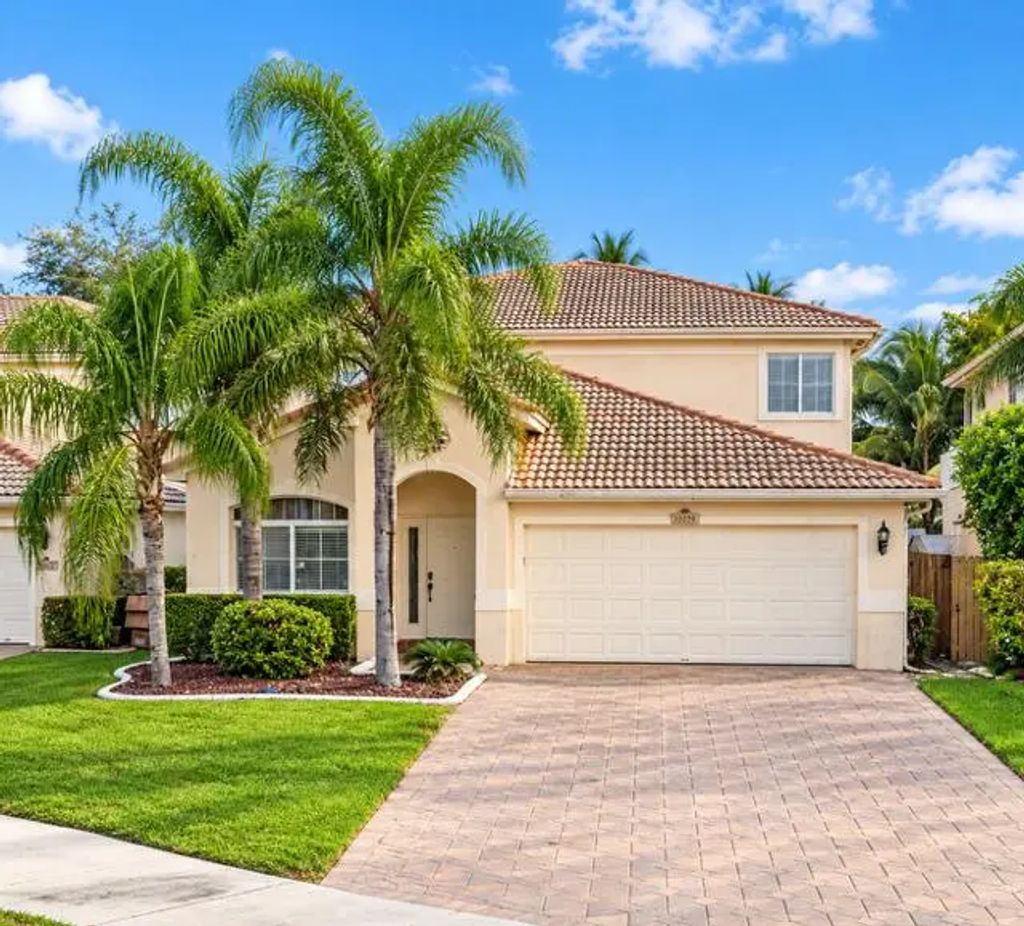
Search Single Family Palm Beach County Homes
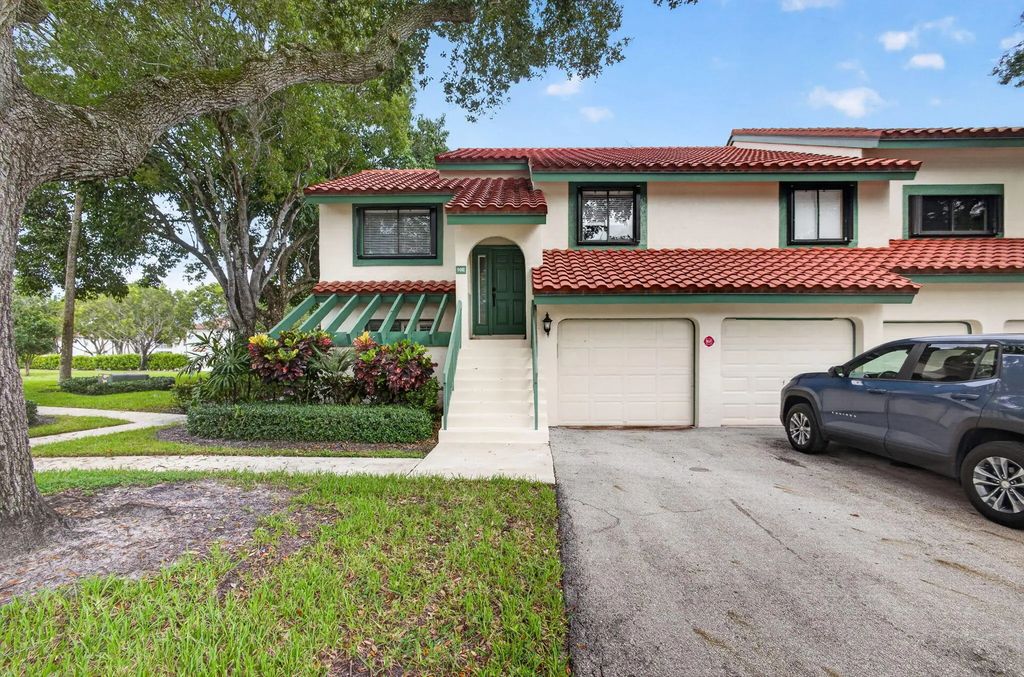

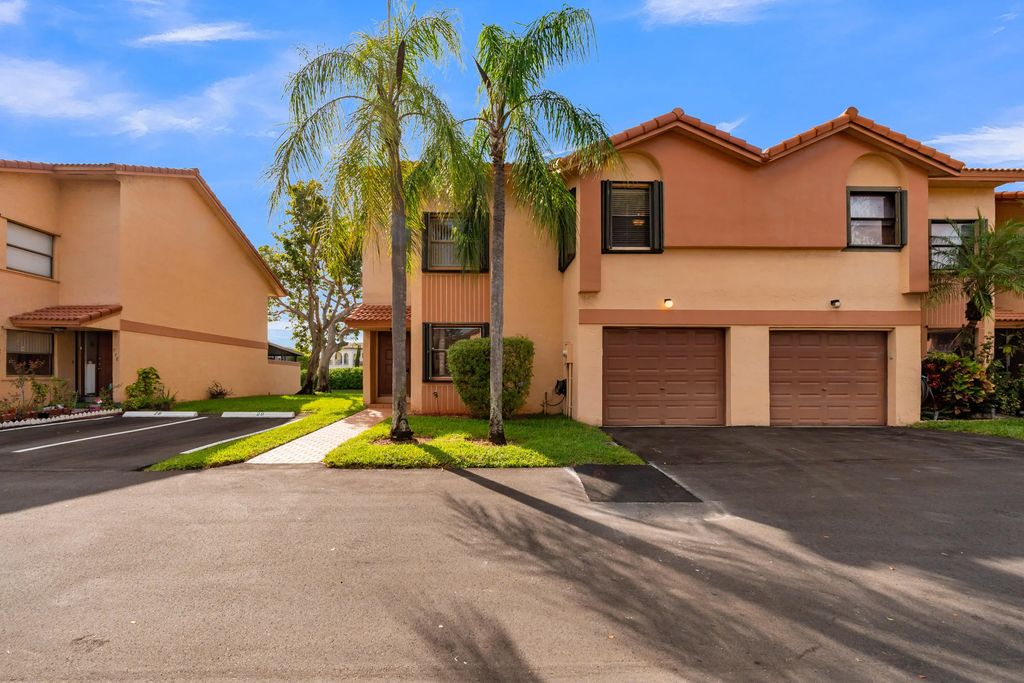
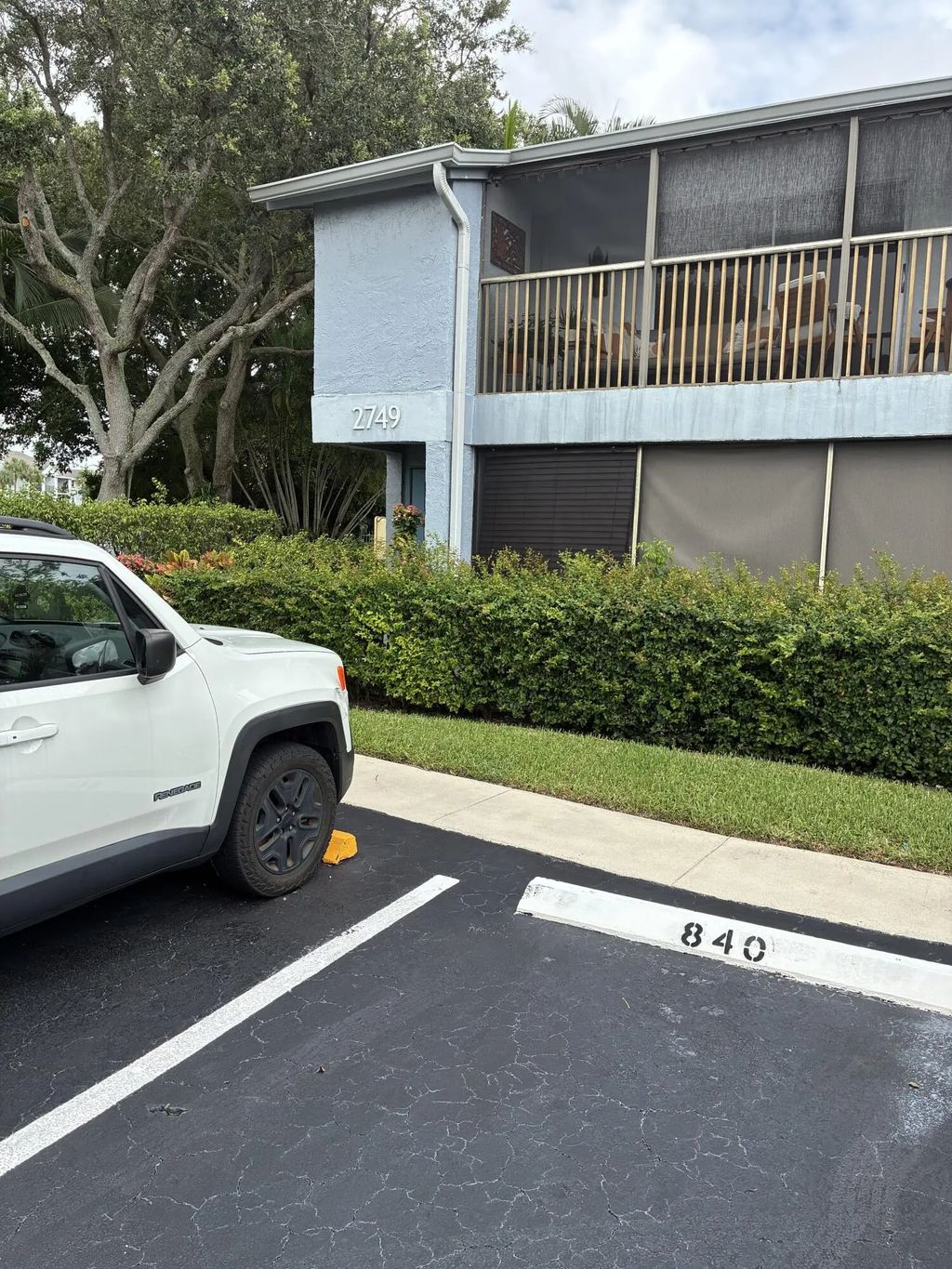
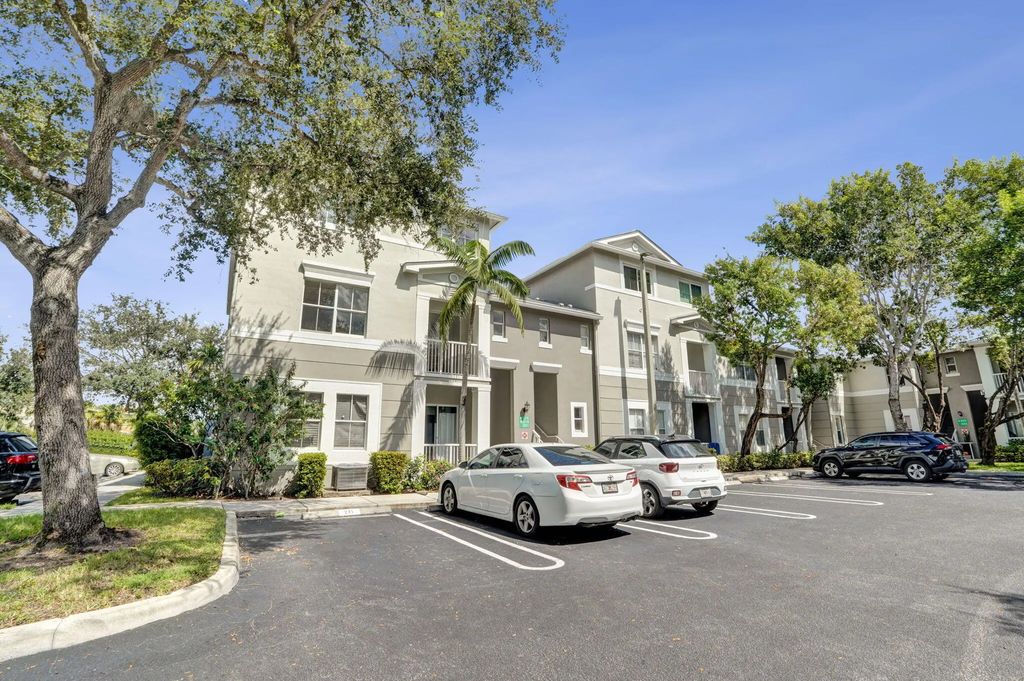
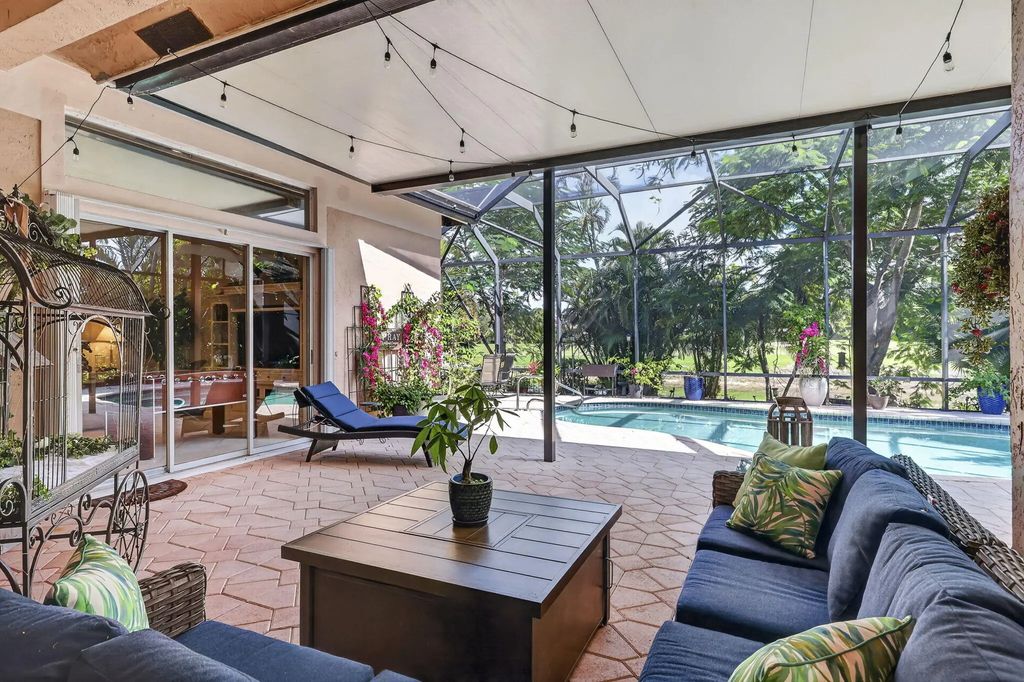
Search Townhomes in Palm Beach County
The Cost Comparison Is Not as Simple as List Price
The first thing most buyers look at is the purchase price, and on the surface, townhomes almost always look like the more affordable option. In most Palm Beach County markets, townhomes are priced 25 to 40 percent below comparable single-family homes in the same area. A three-bedroom townhome in Palm Beach Gardens might list at $550,000 while a similar-sized single-family home in the same zip code lists at $800,000. That gap is real, but it does not tell the whole story.
HOA fees on townhomes are significantly higher than on single-family homes, and this is where the monthly cost calculation gets interesting. Townhome HOA fees in Palm Beach County typically range from $350 to $800 per month, and in some luxury communities they exceed $1,000. These fees usually cover exterior maintenance, roof replacement reserves, common area landscaping, and sometimes insurance on the building's structure. Single-family home HOA fees, where they exist, typically run $100 to $400 per month and cover far less.
When you add monthly HOA costs to your mortgage payment, the gap between a townhome and a single-family home narrows considerably. Over a 10-year ownership period, a townhome buyer paying $500 per month in HOA fees will spend $60,000 in association dues alone. That is money that builds no equity and has no tax benefit in most cases. It is not wasted money, because you are getting real services for it, but it changes the math in ways that buyers need to understand before committing.
Insurance: A Major Factor Most Buyers Underestimate
Insurance is where the townhome versus single-family comparison gets particularly nuanced in Florida. Townhome owners typically carry an HO-6 policy, which covers the interior of their unit, personal property, and liability. The building's exterior structure, roof, and common areas are insured through a master policy that the HOA maintains, and the cost of that master policy is built into your monthly dues.
Single-family homeowners carry a full HO-3 policy that covers everything, including the structure, roof, and all exterior elements. In Florida's current insurance market, a full homeowner's policy on a single-family home can run $4,000 to $12,000 or more per year depending on the age of the home, roof condition, proximity to the coast, and construction type. An HO-6 policy for a townhome typically runs $1,000 to $3,000 per year because the structural coverage responsibility falls on the association.
Here is the catch. When a townhome association's master policy comes up for renewal and the premium increases significantly, that cost gets passed directly to unit owners through special assessments or HOA fee increases. We have seen associations in South Florida hit with 30 to 50 percent insurance premium increases in a single year following the legislative changes and market shifts in 2022 and 2023. When that happens, your $500 monthly HOA fee can jump to $650 or $700 with little warning. For buyers weighing long-term costs, this unpredictability is worth factoring into your decision. Our guide to flood zones and insurance costs in coastal Florida breaks down the broader insurance landscape that affects both property types.
The Maintenance Reality
One of the biggest selling points of townhome living is reduced maintenance, and for many buyers this is the deciding factor. When you own a townhome, the association handles exterior painting, roof repairs and replacement, landscaping of common areas, and in many communities, even your front yard or patio landscaping. You are responsible for the interior of your unit and potentially your back patio or small yard, but the heavy lifting stays off your plate.
Single-family homeowners are responsible for everything. Roof replacement, exterior painting, pool maintenance, full yard landscaping, irrigation systems, fence repairs, driveway resurfacing, and the list continues. In Palm Beach County's climate, outdoor maintenance is a year-round commitment. Lawn care alone runs $150 to $400 per month for a typical single-family home with a pool. Pool service adds another $100 to $200 monthly. Pressure washing, tree trimming, and pest control are recurring expenses that townhome owners largely avoid.
For buyers relocating from northern states who are used to handling their own maintenance, the scope of Florida exterior upkeep can be surprising. Everything grows faster, corrodes faster, and needs attention more frequently in this climate. If you are someone who travels frequently, works long hours, or simply does not want the responsibility, the townhome maintenance model has genuine appeal. We have written about this trade-off in more detail in our guide to downsizing and transitioning from a larger home to a condo or townhome, which covers the lifestyle shift many buyers experience when they move to a lower-maintenance property type.
Privacy, Space, and Lifestyle Differences
This is where personal preference really takes over. Townhomes share walls with neighbors, and no matter how well they are built, you are going to have some awareness of the people living on the other side. Sound transmission varies by construction quality, but even in well-built concrete block townhomes, you will hear some noise. For buyers coming from a detached single-family home, this adjustment can be significant.
Outdoor space is the other major difference. Most townhomes in Palm Beach County offer a small patio, a courtyard, or a modest fenced yard. Some newer townhome communities include rooftop terraces or oversized lanais that partially compensate for the smaller footprint. But if you want a pool, a substantial yard for kids or pets, outdoor entertaining space, or room for a boat or RV in the driveway, a single-family home is almost certainly the better fit.
Parking is another practical consideration. Many townhome communities provide one or two garage spaces and limited guest parking. If your household has three vehicles, or if you regularly have visitors staying with you, parking logistics in a townhome community can become a daily frustration. Single-family homes with driveways and two or three-car garages eliminate this issue entirely.
Where to Find the Best Townhomes in Palm Beach County
If you have decided that townhome living is the right move, Palm Beach County has strong options across a range of price points and locations.
Palm Beach Gardens has some of the most desirable townhome communities in the county. Alton, which is a newer development along Donald Ross Road, features modern townhomes with clean lines, two-car garages, and a walkable town center feel. Evergrene also has a townhome section with resort-style amenities. Prices in Palm Beach Gardens for quality townhomes generally start in the mid $500s and can reach $900,000 or more for newer construction with premium finishes.
West Palm Beach offers townhomes with urban convenience, particularly in the downtown and Northwood areas. If walkability to restaurants, Clematis Street nightlife, and cultural venues matters to you, a downtown West Palm townhome puts you in the middle of everything. These communities range from the low $400s for older construction to well over $1 million for newer luxury townhomes along the waterfront. For a deeper look at the attached housing market in this area, our comparison of luxury condos in Boca Raton versus West Palm Beach covers many of the same lifestyle and financial considerations that apply to townhome buyers evaluating these two cities.
Wellington has a growing townhome inventory, particularly in newer developments along State Road 7 and in the Olympia area. Wellington townhomes tend to offer more square footage per dollar than comparable properties closer to the coast, and the community's family-oriented amenities make it appealing for buyers with children. Prices here generally fall between $400,000 and $700,000.
Boca Raton's townhome market is particularly active in the western part of the city, with communities like Boca Townhouse, Town Place at Boca, and several newer developments offering modern floor plans and walkable retail. East Boca townhomes closer to the beach and downtown are significantly more expensive but provide a lifestyle that few other locations can match.
Where to Find the Best Single-Family Homes
For buyers who land on the single-family side of this decision, the options across Palm Beach County are extensive. Jupiter and Palm Beach Gardens dominate the northern part of the county with communities ranging from starter homes in the $600s to multimillion-dollar estates in gated golf communities. For families specifically, we have put together a detailed breakdown of the best family-friendly neighborhoods in Palm Beach County that covers school quality, community amenities, and pricing across the top options.
Wellington remains one of the strongest value plays for single-family homes, offering larger lots and more square footage than you will find at comparable prices closer to the coast. Boynton Beach and Lake Worth Beach provide additional options for buyers who want a single-family home under $800,000 without moving too far from the beach.
Delray Beach straddles both categories well. The downtown core and east side neighborhoods offer smaller single-family homes with walkability to Atlantic Avenue, while western Delray has larger homes on bigger lots with the expected trade-off of a longer drive to the beach and restaurants.
Resale Value and Appreciation Trends
Over the past decade, single-family homes in Palm Beach County have generally appreciated at a faster rate than townhomes, particularly in the $500,000 to $1.5 million range. The primary driver is land value. When you buy a single-family home, you own the land underneath it, and in South Florida where buildable land is finite, that land component appreciates over time. Townhome owners have a fractional interest in the land, which dilutes the appreciation potential.
That said, townhomes in highly desirable locations with strong amenities have held their value well and appreciated meaningfully during the 2020 to 2024 market cycle. Location quality matters more than property type when it comes to long-term value. A well-located townhome in Jupiter or downtown Delray Beach is going to outperform a poorly located single-family home in a less desirable area.
The resale audience is also worth considering. Townhomes appeal to a specific buyer pool: young professionals, downsizers, snowbirds, and investors. Single-family homes attract a broader range of buyers, including families, which typically creates more demand and competitive offers when it comes time to sell. For buyers leaning toward a single-family waterfront home specifically, our complete buyer's guide to waterfront homes in Martin County covers the factors that affect both pricing and resale in that segment.
Making the Decision: Questions to Ask Yourself
Rather than framing this as which property type is "better," we encourage buyers to think about it as which type fits their current life and their next five to ten years. Ask yourself how much outdoor space you genuinely need versus want. Consider how much time you are willing to spend on home maintenance, or how much you are willing to pay someone else to handle it. Think about whether shared walls would bother you on a daily basis. Evaluate whether the HOA fee structure is something you are comfortable with long-term, knowing it will increase.
There is no wrong answer here, and we work with buyers on both sides of this decision regularly. What matters is that you go in with realistic expectations about the costs, the lifestyle, and the long-term financial implications. Our team at Coastal Real Estate Pros can walk you through specific properties in both categories, run the real numbers including HOA fees, insurance, and maintenance costs, and help you land on the option that makes the most sense for where you are right now.
Frequently Asked Questions
How much are townhome HOA fees in Palm Beach County?
Townhome HOA fees in Palm Beach County typically range from $350 to $800 per month, though luxury communities and newer developments with extensive amenities can exceed $1,000 monthly. These fees generally cover exterior maintenance, roof reserves, landscaping of common areas, community amenities like pools and fitness centers, and a portion of the building's master insurance policy. Always request the full HOA budget and reserve study before purchasing, as underfunded reserves can lead to special assessments.
Do townhomes appreciate as much as single-family homes?
Historically, single-family homes in Palm Beach County have appreciated at a slightly faster rate than townhomes, largely because single-family homeowners own their land outright while townhome owners have a fractional interest. However, townhomes in prime locations with strong amenities have shown solid appreciation, particularly during the 2020 to 2024 market cycle. Location quality is the most important factor for either property type when it comes to long-term value retention.
Are townhomes easier to rent out than single-family homes?
Townhomes can be attractive rental properties because of their lower price point and included maintenance, but there are important restrictions to verify first. Many townhome HOAs have rental restrictions, including minimum lease terms of six months or one year, caps on the percentage of units that can be rented at any time, and waiting periods before a new owner can lease their unit. Single-family homes in non-HOA neighborhoods generally have fewer rental restrictions, though municipal regulations still apply.
What are the biggest hidden costs of townhome ownership?
Special assessments are the cost that catches most townhome owners off guard. When the association needs major repairs like roof replacement, elevator modernization, or parking garage restoration, and the reserves are insufficient, the cost gets divided among unit owners. Following Florida's condo and association reform legislation, reserve funding requirements have tightened, which means many associations are raising dues or issuing assessments to comply. Request the most recent reserve study and review the association's financial health before buying.
Is a townhome a good option for families with children?
It depends on the community and your family's needs. Newer townhome developments with community pools, playgrounds, and green spaces can work well for families with younger children. The reduced maintenance frees up time and budget for family activities. However, limited outdoor space, shared walls, and parking constraints can become frustrating as children grow. Families who value a private yard, room for a trampoline or swing set, and space for kids to play freely generally end up preferring single-family homes.
How does insurance differ between townhomes and single-family homes in Florida?
Townhome owners carry an HO-6 policy covering the unit interior, personal property, and liability, typically costing $1,000 to $3,000 annually. The building's structure is covered by a master policy maintained through the HOA. Single-family homeowners carry a full HO-3 policy covering everything, which runs $4,000 to $12,000 or more annually in Florida depending on location, construction type, and roof age. While individual townhome insurance costs less, remember that master policy premium increases are passed to owners through higher HOA fees.
Can I make modifications to a townhome in Palm Beach County?
Interior modifications are generally permitted with HOA approval for structural changes like removing walls. Exterior modifications are much more restricted in townhome communities because the HOA maintains a uniform appearance. Changes to paint colors, front doors, windows, landscaping, and any visible exterior elements typically require architectural review board approval. Some communities are quite flexible, while others are extremely strict. Review the community's declaration of covenants and the architectural guidelines before purchasing if customization is important to you.
Disclaimer: The information in this article is provided for general informational purposes and reflects market conditions as of the publication date. Real estate markets, home prices, HOA fees, insurance premiums, and community amenities change frequently. We encourage you to verify all details independently through current listings, official sources, and direct contact with relevant organizations. Consult with qualified real estate professionals, insurance agents, tax advisors, attorneys, and financial planners before making purchase decisions. This content does not constitute legal, financial, or tax advice, and Coastal Real Estate Pros makes no guarantees regarding the accuracy or completeness of information presented.
Posted by Zach Greenberg on
Enjoy this blog post? Click here to subscribe for updates
Leave A Comment