
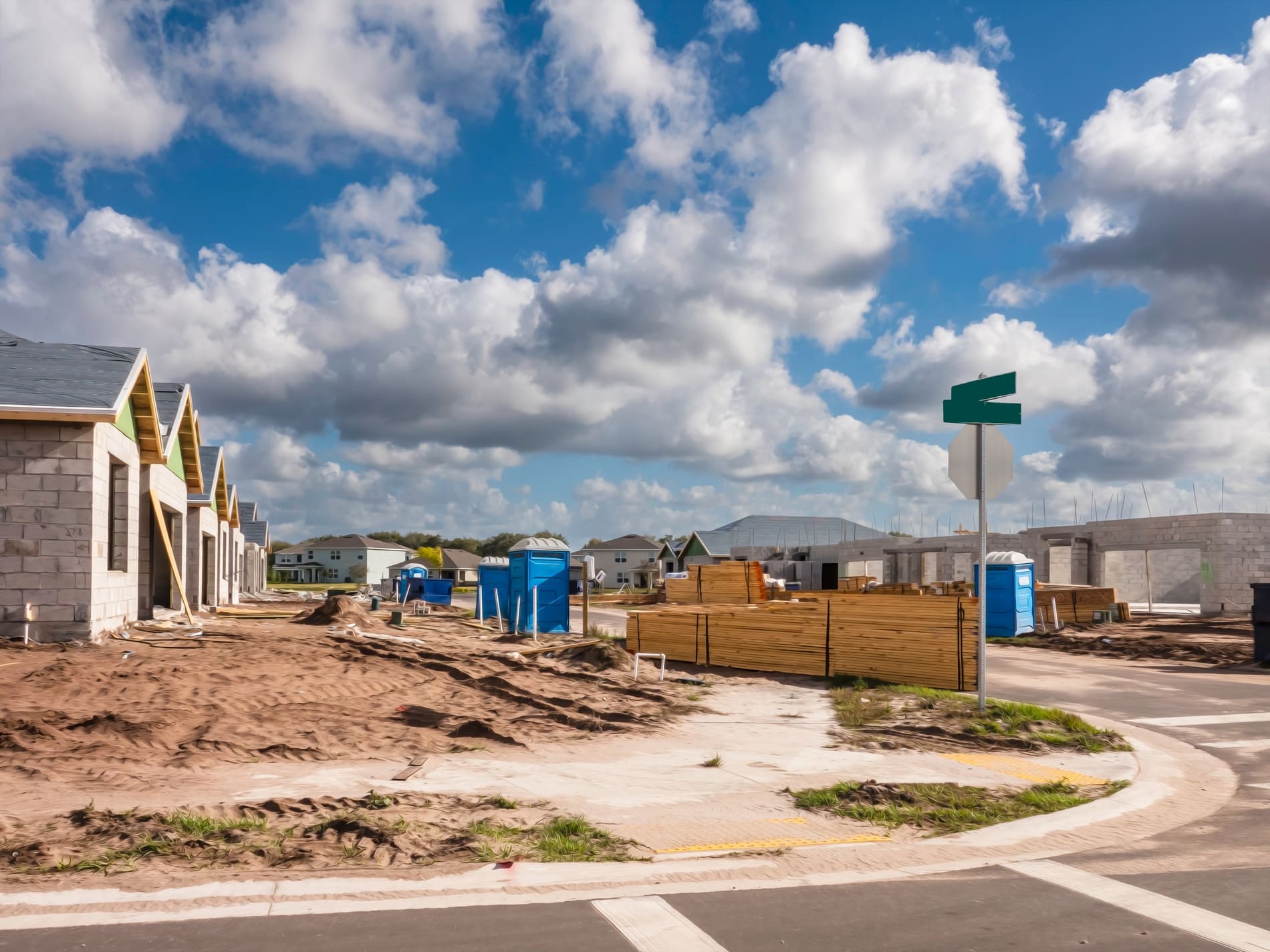
If you're considering new construction in Palm Beach County, you're navigating a market that's evolved significantly over the past few years. The building boom that characterized 2020-2022 has moderated, inventory has expanded in some areas, and buyer dynamics have shifted as interest rates and economic conditions changed. We work with new construction buyers regularly, and the questions stay remarkably consistent: What communities are actually building? How do builder incentives work? What timeline should I expect?
Let me walk you through what's happening in Palm Beach County's new construction market right now, which communities and builders are active, and what you need to know about contracts, timelines, and negotiating with builders.
Current New Construction Market in Palm Beach County
Palm Beach County's new construction activity concentrates in western areas where developable land remains available at prices that support profitable building. You're seeing the most active construction in Wellington, Royal Palm Beach, Loxahatchee, western Boca Raton, and Jupiter Farms, areas where land costs haven't reached the prohibitive levels common in established coastal neighborhoods.
The pace of sales has slowed from the frenzy of 2021-2022, when builders sold homes before breaking ground and commanded premiums over comparable resale properties. Today's market shows more balance, builders maintain inventory of completed or near-completion homes, offer incentives to attract buyers, and negotiate more readily on pricing and upgrades.
Interest rate increases from historic lows have reduced buyer purchasing power significantly. A household qualified for $800,000 at 3% interest rates now qualifies for roughly $600,000-$650,000 at current rates around 7%, creating downward pressure on new construction prices and pushing builders to offer rate buydowns and other financial incentives.
Builder margins have compressed as construction costs remain elevated while sale prices face pressure from reduced demand. Builders who purchased land at peak prices struggle more than those who secured sites earlier, creating variation in pricing and willingness to negotiate across different communities and developers.
The quality of available inventory varies dramatically. Some builders offer true custom experiences with extensive design choices and flexibility, while others operate production building models with limited customization and standardized finishes. Understanding which type of builder you're working with affects your expectations and negotiating leverage.
Search Palm Beach County New Construction Real Estate
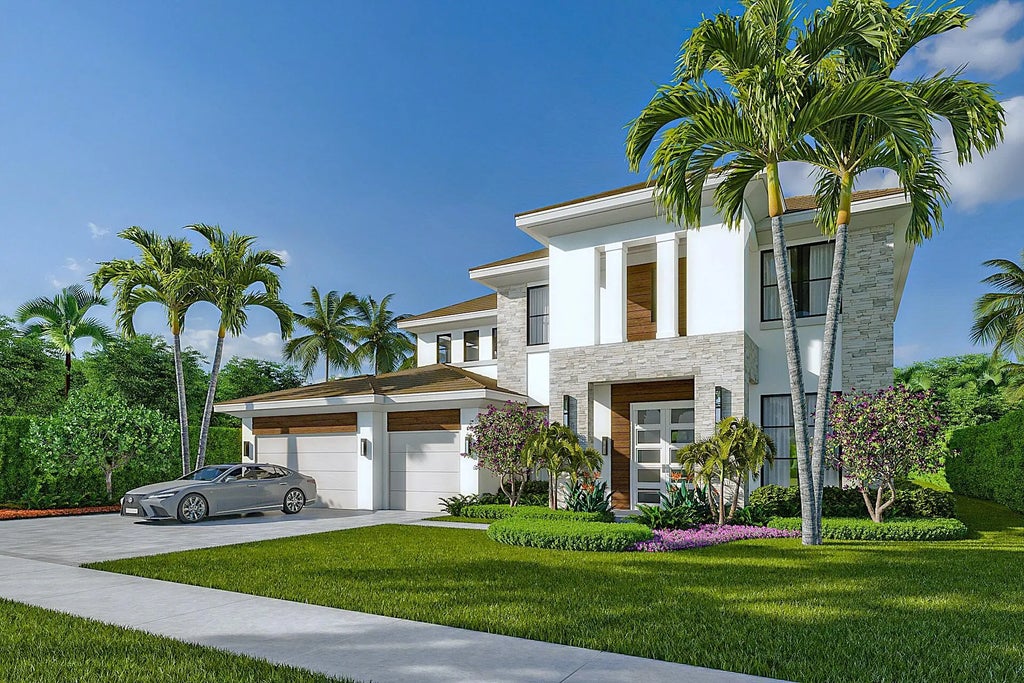


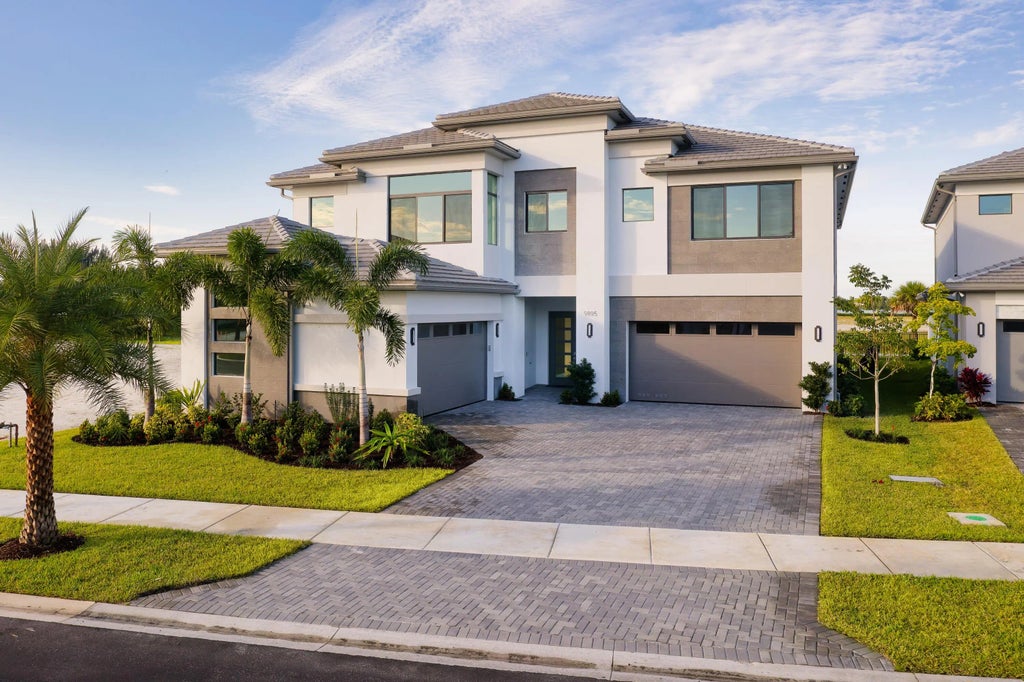
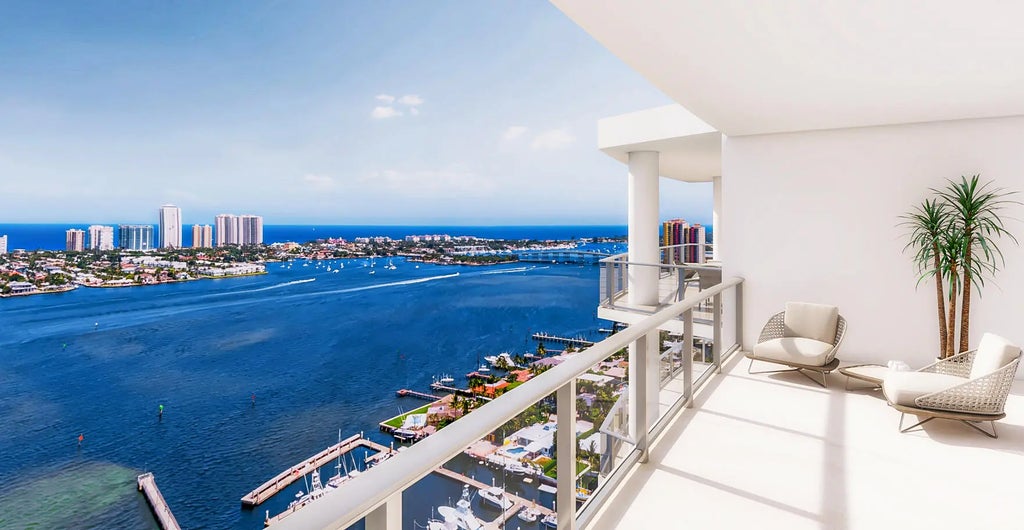


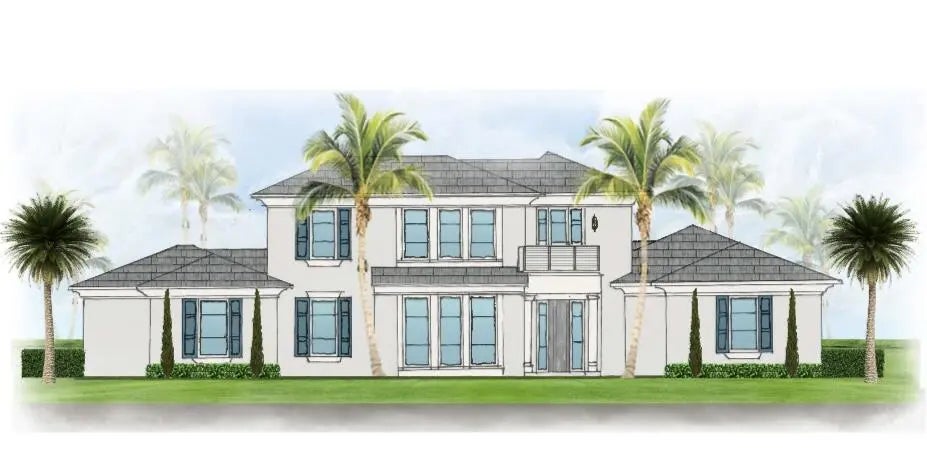
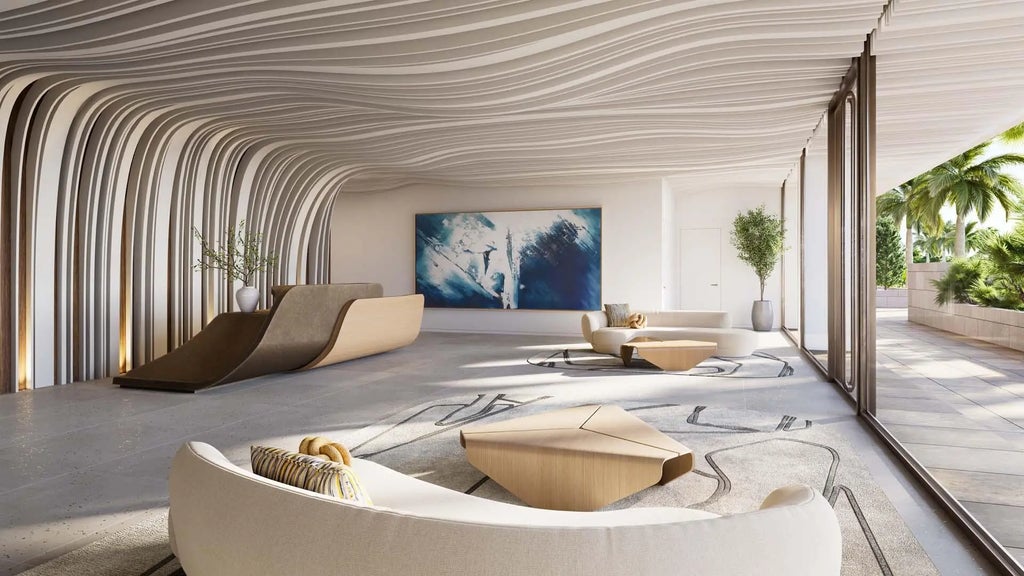
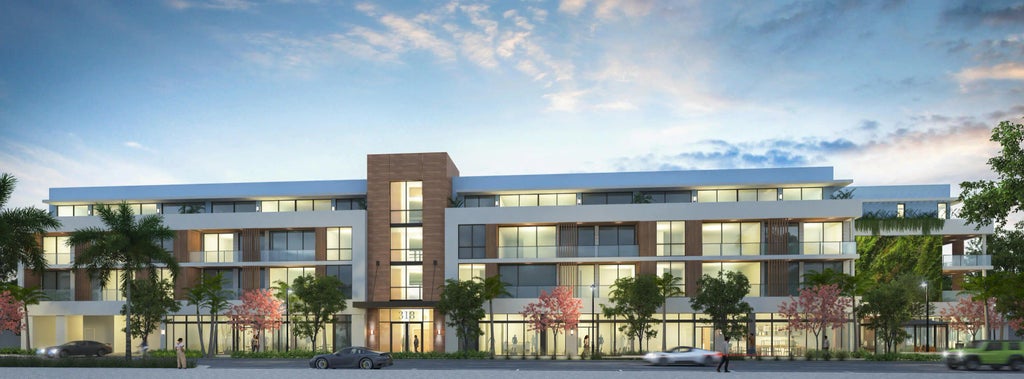
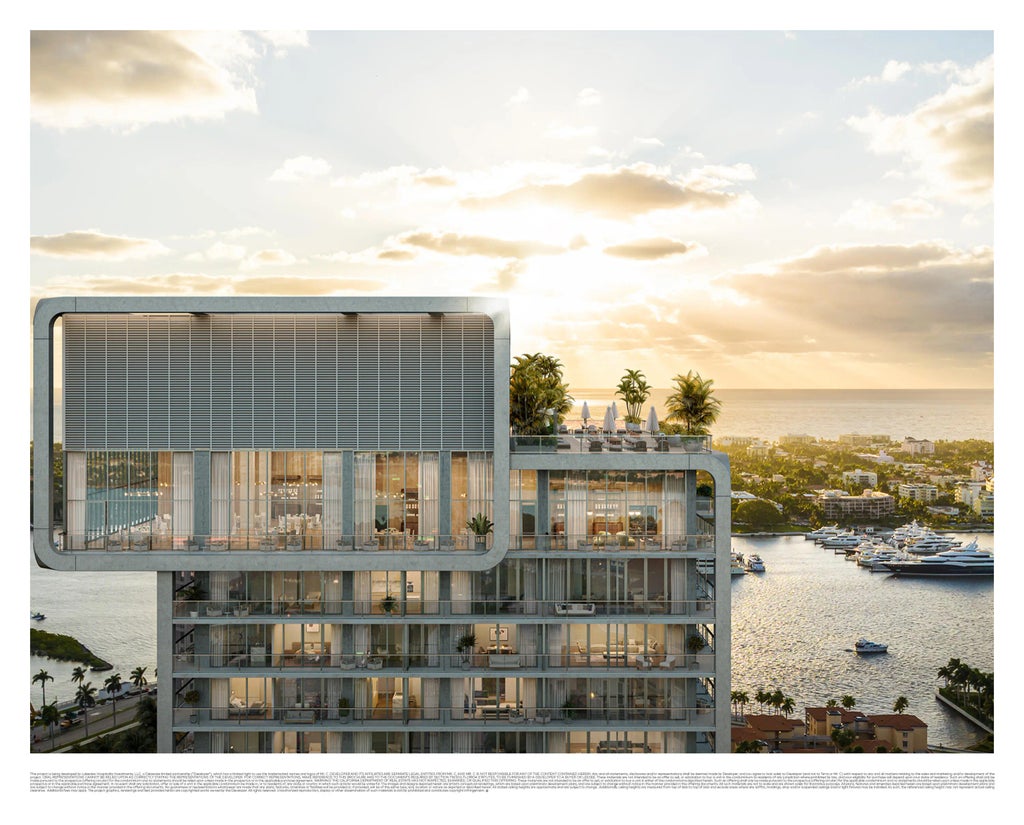
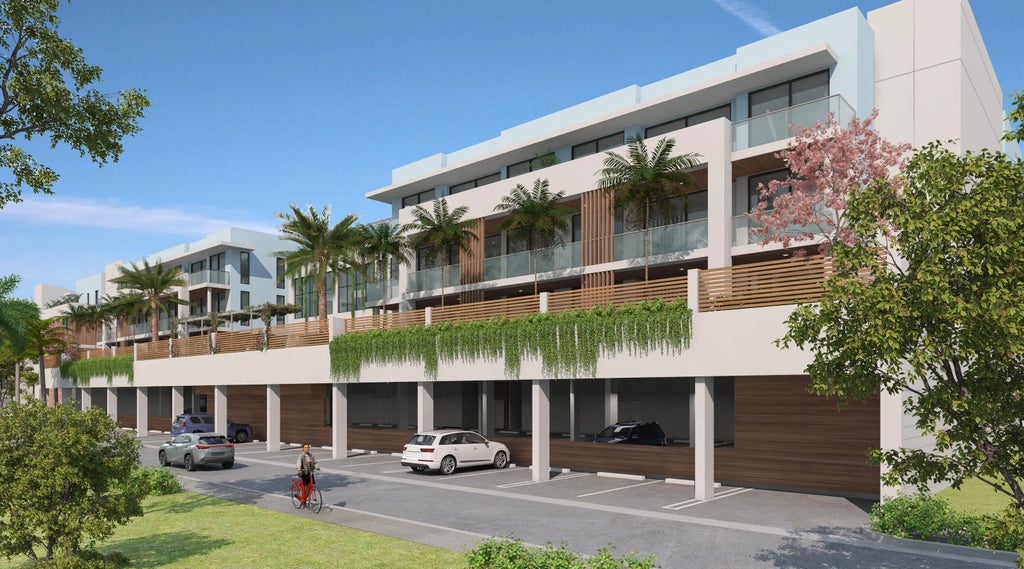
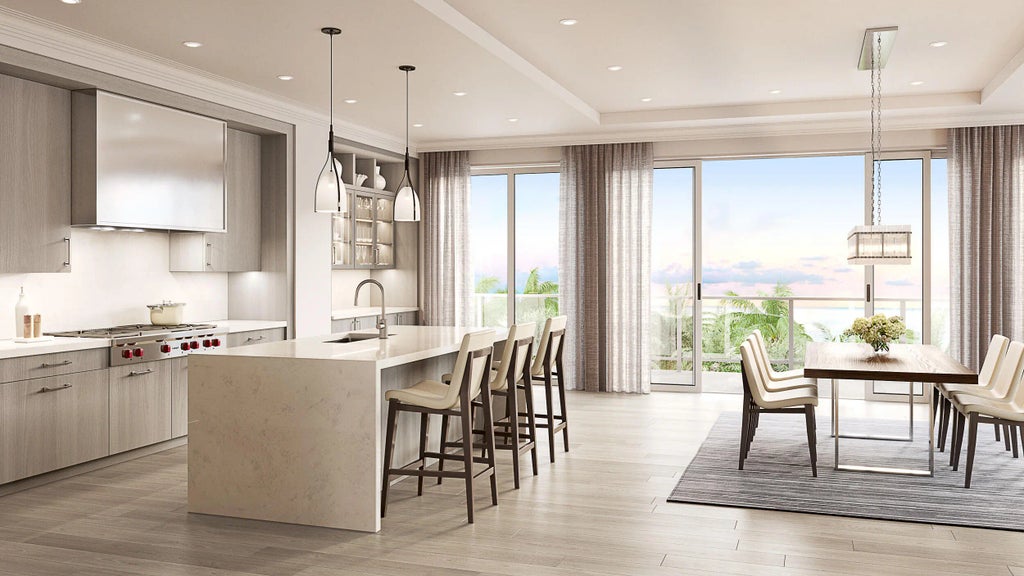
Active New Construction Communities
Western Boca Raton
Western Boca continues seeing new construction activity in master-planned communities and infill developments. Projects here typically target the $600,000-$1.5 million range, offering single-family homes on standard suburban lots with community amenities.
The location provides Boca Raton addresses and access to highly-rated schools while delivering more house and land than you'd get in established east Boca neighborhoods. You're 15-20 minutes from beaches, close to major shopping, and connected to business districts via Glades Road and other east-west corridors.
Builders in western Boca include national production builders offering standardized floor plans with upgrade options, plus some regional builders providing semi-custom experiences. The timeline from contract to closing typically runs 6-9 months for homes already under construction, 9-12 months for new starts.
Wellington
Wellington maintains steady new construction activity serving families prioritizing A-rated schools, equestrian facilities, and comprehensive community amenities. New homes here typically start around $500,000 for smaller attached products and extend past $2 million for custom estate homes.
The village structure creates multiple distinct neighborhoods, each with a different character, price points, and amenity access. Some new construction occurs in established villages on remaining lots, while other projects develop in newly approved areas expanding Wellington's western boundaries.
Builder options range from production builders delivering standardized products efficiently to custom builders working with individual buyers on unique designs. The customization level and timeline vary dramatically between these approaches; production homes might close in 4-6 months, while true custom builds extend 12-18 months.
Royal Palm Beach and Loxahatchee
Royal Palm Beach and Loxahatchee provide the most affordable new construction entry points in Palm Beach County, with homes starting around $400,000 for attached products and $500,000-$700,000 for single-family homes on suburban lots.
The trade-off is distance from beaches and coastal amenities, you're 30-45 minutes from the Atlantic, though the Turnpike provides relatively quick access when needed. The communities compensate with newer infrastructure, modern home designs, and pricing that allows larger homes and more land than equivalent budgets deliver in eastern areas.
Several national builders maintain active communities here, offering streamlined purchasing processes, standardized quality, and the financial stability of large corporations. The building timelines run shorter than custom builds, typically 4-8 months from contract to closing, depending on construction stage at purchase.
Jupiter and Palm Beach Gardens
Northern Palm Beach County sees selective new construction in remaining developable areas and redevelopment of older properties. New homes here typically start around $700,000 and extend well past $2 million, depending on location and customization level.
Jupiter and Palm Beach Gardens emphasizes quality over quantity, you're finding smaller boutique developments rather than large master-planned communities, with builders offering more customization and higher-end finishes than mass production neighborhoods.
Location advantages include proximity to beaches, excellent schools, less dense development than southern Palm Beach County, and access to natural areas and outdoor recreation. The building timelines vary based on customization level, but typically run 8-12 months for semi-custom products.
New Construction vs. Resale Properties
Financial Considerations
New construction typically costs 10%-20% more than comparable resale properties in the same area, though this premium varies based on market conditions and specific comparisons. You're paying for modern systems, contemporary designs, builder warranties, and the ability to customize finishes to your preferences.
The total cost comparison requires examining not just purchase price but also near-term maintenance and repair expenses. New homes need minimal maintenance for the first 5-10 years beyond routine upkeep, while resale properties might require roof replacement, HVAC updates, or other major system renewals shortly after purchase.
Energy efficiency in new construction reduces ongoing utility costs compared to older homes. Modern insulation, windows, HVAC systems, and appliances can cut monthly utility bills 20%-40% versus 1980s-1990s construction, partially offsetting higher purchase prices over time.
Property taxes on new construction reflect current market values rather than historical assessments that might benefit longtime owners of resale properties. Your initial tax bills might run higher than equivalent resale homes until you establish a homestead exemption and benefit from Florida's Save Our Homes assessment caps.
Timeline and Flexibility
Resale transactions typically close in 30-45 days from accepted contract, while new construction timelines vary dramatically. Buying a completed spec home might close in 30-60 days, purchasing during framing extends to 3-6 months, and ordering a new build from scratch runs 8-15 months, depending on customization complexity.
The extended timeline creates both challenges and opportunities. You can't access the property immediately for occupancy, requiring coordination with existing housing situations. However, you gain time to sell current homes without rush, save additional down payment funds, or complete other financial preparations.
Customization flexibility represents new construction's primary advantage over resale. You select flooring, countertops, cabinets, lighting, and numerous other finishes matching your preferences rather than inheriting previous owners' choices. The extent of customization varies by builder and purchase timing; early buyers get more choices, while later purchasers face limited options on homes nearing completion.
Quality and Warranty Protection
Modern building codes create higher minimum standards than older construction periods. Hurricane resistance, energy efficiency, electrical capacity, and plumbing systems in new homes exceed requirements from 10-20 years ago, providing better performance and durability.
Builder warranties typically cover one year for workmanship, two years for mechanical systems, and ten years for structural components. This protection provides peace of mind versus resale properties where major systems might be nearing the end of life without warranty coverage.
The quality variation between builders matters significantly. Premium custom builders deliver meticulous craftsmanship and attention to detail, while some production builders prioritize speed and cost control over refinement. We help buyers research builder reputations, visit completed homes, and understand what quality level to expect before committing to contracts.
Understanding Builder Contracts and Negotiations
Contract Structure
Builder contracts differ substantially from standard resale purchase agreements. You're typically using the builder's form contract designed to protect their interests, with limited negotiation on contract language itself, though pricing and incentives remain negotiable.
The purchase price is often divided into base home cost plus upgrades and options selected during design meetings. A home listed at $650,000 might include $600,000 base price plus $50,000 in included upgrades, with additional selections pushing final cost higher.
Deposit structures require larger upfront funds than resale transactions, builders typically collect 10%-15% deposits versus the 3%-5% common in resale deals. The deposits might be paid in stages as construction progresses, with initial payments at contract and subsequent draws at foundation, framing, and other milestones.
Contingency clauses in builder contracts provide less protection than resale agreements. Financing contingencies might have shorter windows, and inspection contingencies often don't exist since you're buying before construction completes. The builder controls the timeline and can sometimes extend closing dates with limited recourse for buyers.
Current Builder Incentives
Today's market conditions create negotiating opportunities absent during the 2020-2022 boom. Builders offer various incentives to attract buyers and maintain sales pace, including mortgage rate buydowns, closing cost credits, and upgrade packages.
Rate buydowns have become common, with builders paying points to reduce buyer interest rates 1%-2% for the first few years of the mortgage. A builder might advertise "2-1 buydown" meaning 2% below market rate in year one, 1% below in year two, then market rate for the remaining term. These incentives cost builders less than direct price reductions while making monthly payments more affordable for buyers.
Closing cost credits range from $5,000-$20,000 or more, helping buyers cover loan fees, title costs, and prepaid items. Some builders offer these credits only on specific inventory homes they want to move quickly, creating opportunities for buyers with flexibility on location or floor plan.
Upgrade packages bundled at discounted pricing might include premium countertops, flooring upgrades, enhanced lighting packages, or other popular selections. Builders can offer these at a lower incremental cost than the retail pricing they'd charge separately, creating value for buyers while maintaining headline purchase prices.
The negotiating leverage depends heavily on inventory levels and sales pace. Builders with substantial spec inventory and slow sales negotiate more aggressively than those with limited inventory and steady demand. We monitor community sales activity and inventory levels to advise clients on realistic negotiating expectations.
Timeline Expectations and Protections
Construction timelines stated at purchase represent estimates, not guarantees. Builders include contract language allowing extensions for weather, material delays, labor shortages, and other factors largely beyond their control. The actual closing might occur weeks or months later than initially projected.
Some contracts include "time is of the essence" clauses favoring builders; they can charge daily rent if you don't close on schedule, but they face limited penalties for delaying your closing. This imbalance creates risk for buyers who make plans based on projected timelines.
Requesting regular construction updates and site visit rights helps you monitor progress and identify potential delays early. Most builders provide online portals showing construction status, though the accuracy and update frequency vary. We recommend periodic site visits to verify progress matches the reported status.
Planning for timeline uncertainty requires financial and logistical flexibility. Don't sell your current home or commit to move-out dates based on the builder's initial timeline; build in 30-60 day buffers to account for potential construction delays beyond the builder's control.
Customization Process and Upgrade Decisions
Design Center Experience
Most builders schedule design center appointments once your contract is executed, where you select finishes, fixtures, and upgrades from available options. These appointments typically occur 2-4 weeks after the contract and might span several hours or multiple sessions, depending on home size and customization level.
Come prepared with priorities clearly defined, and know which upgrades matter most to your daily living versus nice-to-haves you can add later. Design center professionals excel at encouraging additional purchases, so maintaining focus on budget and priorities prevents overspending on impulse upgrades.
The upgrade pricing often carries a significant markup over retail costs; you might pay $8,000 for countertops you could source independently for $4,000-$5,000. However, builder financing includes upgrades in the mortgage, while independent purchases require separate cash outlay. The financing advantage partially offsets higher upgrade costs.
Some upgrades add genuine value and prove difficult to retrofit later, such as structural changes, electrical rough-ins for future equipment, plumbing locations, and built-in features. Others, like paint colors, light fixtures, and cabinet hardware, can be changed easily post-closing at a lower cost than builder charges.
Smart Upgrade Strategies
Prioritize upgrades affecting functionality and systems over pure aesthetics. Enhanced HVAC systems, upgraded electrical panels, additional outlets and circuits, and improved insulation provide long-term benefits justifying higher costs. Decorative items like fancy light fixtures or upgraded faucets can be changed easily later at your own pace.
Structural add-ons like extending screened enclosures, adding outdoor kitchens, or finishing bonus spaces cost significantly more to add after construction completes than including during the initial build. If you might want these features eventually, adding them now saves future expense and disruption.
Flooring upgrades deserve careful analysis. Builder pricing on tile and hardwood often runs 30%-50% above retail, while carpet and basic vinyl plank carry more reasonable margins. Consider accepting the builder's standard flooring in some areas and upgrading others independently post-closing to manage costs.
Kitchen and bathroom upgrades create the most visible impact and provide better return on investment than upgrades in less-used spaces. Focusing enhancement budget on these areas while accepting standard finishes elsewhere creates maximum perceived value for your investment.
Working With Builders vs. Representation
Builder Sales Representatives
Builder sales representatives work for the builder, not you. Their job involves selling homes and maximizing builder revenue through base prices and upgrades. They're often friendly and helpful, but their loyalty lies with their employer.
The representatives typically work on commission structures rewarding both volume and upgrade sales. This creates an incentive to encourage additional purchases and potentially downplay concerns about timelines or quality issues.
Some builders require you to register on your first visit and prohibit working with buyer agents who weren't present during the initial property tour. This policy aims to avoid paying buyer agent commissions, but it also eliminates your access to independent representation during the transaction.
Benefits of Buyer Representation
We work with new construction buyers regularly, providing representation throughout the process from initial community research through closing and the warranty period. This representation costs you nothing; builders pay our commission from their proceeds just as they would their internal sales team.
Independent representation provides objective advice on builder contracts, upgrade pricing, community comparisons, and quality expectations. We're not selling one specific builder's homes; we help you evaluate multiple options and choose what truly fits your needs and budget.
The negotiating leverage often improves with experienced representation. Builders respect agents who understand their business and can present offers professionally with appropriate leverage points. We know which builders negotiate on price versus preferring to offer incentives, how to structure offers for maximum appeal, and when to push versus when to accept builder positions.
Quality monitoring throughout construction provides additional value. We schedule progress inspections at key milestones, identify issues requiring correction, and advocate for proper completion before closing. Many buyers lack construction knowledge to spot problems; having experienced representation helps ensure you get what you paid for.
Common New Construction Challenges
Change Orders and Cost Overruns
Buyers frequently underestimate final costs once design center upgrades and change orders accumulate. A home with $650,000 base price might reach $750,000-$800,000 after all selections and modifications, straining budgets and sometimes exceeding loan approvals.
Tracking upgrade costs carefully during design center appointments prevents surprises later. Request itemized pricing on all selections, maintain running totals, and stop when approaching your budget ceiling, even if design staff encourages additional purchases.
Change orders after design center appointments typically carry premium pricing and might face approval challenges if construction has progressed past optimal timing. Deciding you want different flooring after installation has started creates expensive situations and potential quality concerns.
Quality Control Issues
New construction doesn't guarantee perfection; we see issues ranging from minor cosmetic defects to significant structural or system problems requiring correction. The builder's quality control processes vary dramatically between companies and even between project managers within the same builder organization.
Pre-closing walkthroughs provide opportunities to identify issues requiring correction before you take ownership. Create detailed punch lists documenting every concern, photograph problems, and insist on a written commitment to correct items before releasing final payment.
Some builders respond promptly to warranty issues, while others prove difficult to get back for corrections. Researching builder's reputation for post-closing service helps set appropriate expectations. We maintain relationships with local builders and can provide insight into their typical responsiveness.
Timeline Delays and Closing Complications
Construction delays stemming from weather, material availability, labor shortages, or permitting issues occur regularly. Buyers relying on specific closing dates for work relocations, school schedules, or other commitments face stress when timelines extend unexpectedly.
Builder communication about delays varies; some provide regular updates and realistic revised timelines, while others go silent until pressed for information. Maintaining regular contact with builder representatives and project managers helps you stay informed about actual progress.
Mortgage rate locks during construction periods create financial risk if delays push closing past lock expiration. Extended rate locks cost additional fees, and closing during higher-rate periods can increase monthly payments significantly. Some builders offer rate protection programs or contribute to relock fees, though this requires negotiation upfront.
Frequently Asked Questions
What's the typical timeline from contract to closing on new construction?
New construction timelines vary dramatically based on purchase timing and customization level. Buying a completed spec home might close in 30-60 days, similar to resale transactions. Purchasing during framing or earlier construction stages typically requires 3-6 months. Ordering a completely new build from dirt runs 8-15 months, depending on home complexity and customization extent. Builders provide estimated completion dates at contract, but often include language allowing extensions for weather, material delays, and other factors, so plan for potential 30-60 day delays beyond original projections.
Can I negotiate the price on new construction homes?
Price negotiation possibilities depend on market conditions and builder inventory levels. During the current slower market with elevated inventory, builders negotiate more readily than during the 2020-2022 boom when they commanded premiums. Rather than direct price reductions, builders often prefer offering incentives like mortgage rate buydowns, closing cost credits, or upgrade packages that cost them less than equivalent price cuts. Your negotiating leverage improves on spec inventory homes; builders want to move quickly versus pre-selling homes not yet started. Experienced buyer representation often secures better terms than buyers negotiating independently.
Should I use the builder's preferred lender?
Builders often incentivize using their preferred lenders through additional credits, reduced fees, or streamlined timelines. These incentives can save $3,000-$10,000 in real costs, making builder lenders competitive even if base rates run slightly higher than other options. However, compare total costs including rates, fees, and incentives across multiple lenders before committing. Builder lender relationships sometimes create coordination advantages during construction and closing, though this varies by builder. You maintain the right to choose any qualified lender regardless of builder preferences, though you might forfeit specific incentives offered only with preferred lender usage.
What upgrades are worth the cost?
Prioritize structural and system upgrades over cosmetic items, enhanced HVAC, upgraded electrical panels, additional circuits, improved insulation, and extended outdoor structures that prove difficult or expensive to add post-closing. Kitchen and bathroom upgrades typically provide better return on investment than upgrades in less-used spaces. Flooring decisions require careful analysis as builder pricing often runs 30%-50% above retail on premium materials. Many buyers accept standard finishes in some areas while focusing upgrade budgets on high-impact spaces, then complete additional improvements independently post-closing at lower cost than builder charges.
How do builder warranties work?
Builder warranties typically cover one year for workmanship and materials, two years for mechanical systems including plumbing and electrical, and ten years for structural components. The coverage begins at closing, not when construction completes. Document all issues discovered during the first year carefully and request corrections in writing before the warranty expires. Some items like appliances, carry manufacturer warranties separate from builder coverage. Builders vary significantly in warranty responsiveness, research builder reputation for post-closing service before purchasing, as some respond promptly while others prove difficult to engage for corrections.
Can I make changes after signing the contract?
Change orders after contract execution typically require builder approval and carry premium pricing compared to initial selections. The feasibility and cost depend on construction progress; changes requested before construction starts prove easier than modifications after work has begun. Structural changes, room reconfigurations, or major system modifications might be prohibited once construction reaches certain stages. Cosmetic changes like flooring or fixture selections can usually be accommodated longer but cost more than original design center pricing. Track all change orders carefully as they affect the final purchase price and might require additional lender approval if pushing beyond original loan amount.
What happens if the builder goes out of business during construction?
Builder bankruptcy during construction creates serious complications though recent market conditions make this less likely than during previous downturns. Your deposits might be at risk depending on how builder managed escrow accounts and their financial structure. Partially completed homes might sit unfinished for extended periods while bankruptcy proceedings resolve. Title issues can emerge if subcontractors place liens for unpaid work. Purchasing from established builders with strong financial positions reduces this risk. Some buyers obtain third-party construction insurance protecting against builder bankruptcy, though this adds cost and isn't universally available. Research builder financial stability and track record before committing significant deposits.
Disclaimer: Information in this article is current as of publication but subject to change. Real estate prices, market conditions, tax laws, school ratings, and community details fluctuate regularly. Verify all information independently and consult qualified professionals before making real estate or financial decisions. This content is for informational purposes only and does not constitute legal, financial, or tax advice.
Posted by Zach Greenberg onEnjoy this blog post? Click here to subscribe for updates
Leave A Comment